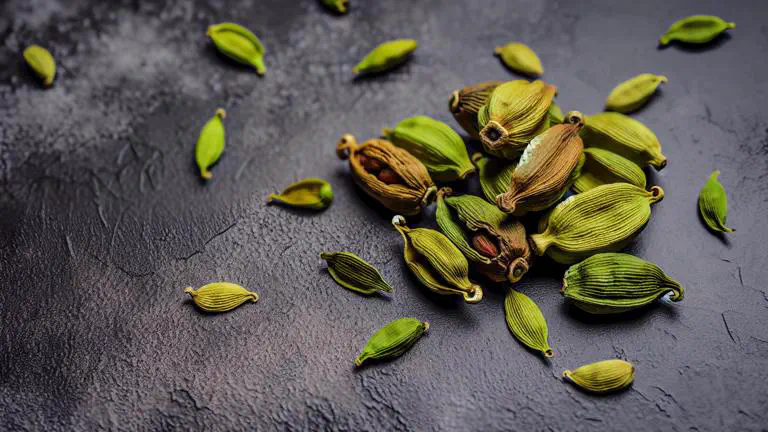
Cardamom pods: uses, quality and how to choose the best
Cardamom in pod is one of the most highly prized spices for its complex aroma, its versatility in cooking and its value in international markets. Aimed at chefs, buyers and consumers interested in quality, storage and uses, this article explains how to distinguish grades, how to store pods correctly and how to choose the most suitable cardamom pods for a given culinary or commercial application.
Throughout the text, commercial and technical criteria drawn from technical documentation and market-oriented post-harvest guides are integrated, to offer practical guidelines applicable in Colombia and in export channels.
Table of contents
- What is cardamom in pod?
- Characteristics that determine quality
- Colour
- Size and commercial grading
- Aroma and essential oil content
- Texture, integrity and moisture
- Processing and post-harvest: impacts on quality
- Storage and recommended packaging to preserve aroma and freshness
- Culinary uses and professional applications (chefs)
- Industrial uses and other commercial uses
- How to choose cardamom in pod: checklist for buyers
- Sensory inspection
- Certifications and traceability
- Suppliers and where to buy in Colombia
- Prices and negotiation
- Export and market: practical considerations from Colombia
- Frequently asked questions (FAQ)
- Conclusion and call to action
What is cardamom in pod?
When we talk about “cardamom in pod,” we refer to the green capsule (pod) that contains the aromatic seeds. These pods concentrate essential oils and volatile compounds that give cardamom its characteristic aroma; for this reason, the whole pod is a format valued both in gastronomy and in international trade. The volatile oils include compounds such as cineole, terpenes and limonene, which determine aroma and potential aromatic and culinary uses.
Characteristics that determine quality
For chefs and buyers, the quality of cardamom in pod is assessed mainly by: colour, size, aroma, physical integrity and moisture content. These characteristics affect aromatic yield and price in local and international markets.
Colour
- The ideal colour is an intense, uniform green, which is associated with freshness and proper post-harvest handling. Pods with spots or yellowish or pale tones usually indicate incorrect drying, ageing or defects that reduce their value.
Size and commercial grading
Pod size is a key commercial factor. The categories used by buyers include, among others:
- Extra Fancy Bold: pods larger than 7 mm in diameter.
- Fancy Green: 6–7 mm.
- Superior: 5–6 mm.
Larger, more uniform pods tend to achieve higher prices and are preferred for demanding markets due to their better appearance and higher seed content per unit. Uniformity within the lot facilitates processing and packing.
Aroma and essential oil content
- Aroma is the definitive sensory criterion: a fresh, intense and complex aroma (with citrus, eucalyptus, floral and resinous notes depending on the profile) indicates good quality and proper post-harvest handling. The essential oil present in the seeds can vary and is responsible for the aroma and flavouring power of the product.
Texture, integrity and moisture
- Pods should be smooth, firm and whole, with no breakages or signs of insects or mould. Moisture content must be appropriate to avoid fermentation or loss of aroma; proper drying and storage are critical to maintaining quality.
Processing and post-harvest: impacts on quality
The timing of harvest, drying and cleaning are stages that largely determine the appearance, aroma and shelf life of cardamom in pod.
Harvesting: pods must be picked at the right stage of maturity to prevent the seeds from detaching and aroma from being lost.
Drying: controlled drying prevents discolouration and loss of volatile oils; bright green colour and aroma are preserved through proper drying processes and minimal handling.
Sorting and grading: grading by size, colour and aroma makes it possible to obtain homogeneous lots that meet international market requirements. Cleaning and sorting processes aim to achieve high visual and sensory quality standards.
Packaging: the use of moisture- and oxygen-barrier packaging, such as sealed bags or vacuum packaging, protects aroma and extends the product’s shelf life. Technical documentation highlights the importance of packaging in maintaining freshness during marketing and sales.
Storage and recommended packaging to preserve aroma and freshness
To preserve the properties of cardamom in pod, simple but effective practices are recommended:
Airtight packaging: use opaque, airtight containers or barrier bags to reduce exposure to air, moisture and light. Vacuum packaging is especially effective for high-quality lots.
Dry, cool environment: store in a dry, cool place free of strong odours that could contaminate the pods.
Avoid extreme temperatures: heat accelerates the loss of volatile oils, so maintaining a stable temperature preserves aroma.
Inventory rotation: for buyers and chefs, applying FIFO (first in, first out) ensures the freshest products are used and gives better sensory results in the kitchen.
These criteria help extend the aromatic shelf life of cardamom in pod and maintain its commercial value.
Culinary uses and professional applications (chefs)
Cardamom in pod is highly valued in fine dining and traditional preparations for its ability to add aroma and complexity:
Hot beverages: infusions and coffees flavoured with whole pods. In some traditions, the pod is lightly opened or the seeds crushed to release aroma into beverages.
Baking and confectionery: scents doughs, creams and desserts; its aroma pairs well with citrus, vanilla and cocoa.
Savoury dishes: seasons stews, curries and complex sauces; used whole to infuse and then remove, or crushed to incorporate into spice blends.
Cocktails and spirits: used to infuse syrups and macerate spirits for its aromatic profile.
Chefs seeking maximum aromatic intensity tend to prefer fresh, large pods — these release a greater amount of essential oil and allow control over intensity by opening them or lightly toasting the seeds before use.
Industrial uses and other commercial uses
Besides cooking, cardamom in pod has applications in perfumery, processed foods, confectionery and beverages due to its aromatic profile. Its use in industry requires homogeneous, traceable lots that meet food safety standards and, in many cases, organic or fair trade certifications.
How to choose cardamom in pod: checklist for buyers
Below is a practical list for assessing and selecting cardamom in pod according to need (culinary use, wholesale purchase, or import/export):
Visual inspection
- Intense, uniform green colour.
- Whole pods, free of breakages or spots.
- Size and uniformity according to the required category (Extra Fancy Bold, Fancy Green, Superior).
Olfactory evaluation
- Fresh, potent aroma; avoid lots with flat or stale odour.
Moisture and touch
- Pods firm to the touch and dry to the touch; excess moisture may indicate insufficient drying.
Documentation and traceability
- Request information on origin, lot and processing date. For volume purchases or exports, require traceability and technical specifications.
Certifications
- If you require organic cardamom or special labelling, check recognised certifications (USDA Organic, EU Organic, JAS) and their validity. These certifications add value and are in demand in markets such as the US, Europe and Japan.
Laboratory sample (if applicable)
- For industrial purchases, request analysis of moisture, essential oil content and absence of contaminants.
Packaging and logistics
- Verify the type of packaging (barrier, vacuum) and transport conditions to preserve quality throughout the supply chain.
Suppliers and where to buy cardamom in pod in Colombia
Buyers in Colombia can turn to:
- Specialised spice suppliers and wholesale distributors that handle lots of cardamom in pod.
- Cooperatives and producer associations that offer traceability and, in some cases, organic or fair trade certifications.
- Importers and traders that link national supply with clients abroad.
When selecting cardamom in pod Colombia suppliers, look for experience in the spice trade, an export track record and the capacity to deliver lots graded by size and quality; this facilitates access to demanding markets.
Cardamom in pod prices and negotiation
The price of cardamom in pod varies according to quality (colour, size, aroma), certifications and market destination. Market documentation indicates that organic, high-quality cardamom can reach premium prices in international markets; ranges depend on origin and season, so it is advisable to request quotations based on specifications (quality, size, certifications) and delivery terms.
If buying in Colombia, request cardamom in pod Colombia prices per kilogram according to commercial categories and compare offers including logistics and customs costs if the intention is to export.
Export and market: practical considerations from Colombia
For buyers or producers interested in exporting, it is important to consider:
Certifications: Organic certifications (USDA, EU, JAS) and other labels such as fair trade increase access and value in international markets.
Phytosanitary requirements and documentation: comply with the importing country’s requirements and with traceability and analysis documentation.
Export logistics: appropriate packaging, moisture control and transport with protection against heat and humidity are critical to maintaining the quality of cardamom in pod during international transit.
Markets and demand: the main cardamom destinations include regions in the Middle East, Europe, Japan and the United States; demand for organic cardamom has grown and can offer higher prices.
Costs and negotiation: when preparing an export, calculate production, packaging, certification and logistics costs to set competitive, profitable prices. Technical documents show operational cost guidelines that help in structuring prices.
Keywords of interest for buyers and exporters: how to export cardamom from Colombia, requirements to export cardamom Colombia, certifications to export cardamom Colombia, cardamom export logistics from Colombia, exporting cardamom to the United States from Colombia. These matters should be addressed with foreign trade advisors and competent authorities to ensure compliance.
Demand and market in Colombia and LATAM
The cardamom market in Colombia and LATAM is influenced by international demand and by a preference for organic, high-quality products. Sector documentation indicates that demand in regions such as the Middle East and Europe drives exports, while product diversification and certifications can add value to regional supply.
For buyers interested in the regional market, it is useful to monitor international prices and consult cardamom in pod Colombia suppliers with export experience. Relevant keywords for commercial searches include: cardamom demand in Latin America, cardamom market in Colombia and LATAM, and where to buy cardamom in pod Colombia.
Quick frequently asked questions
Cardamom in pod or ground? To preserve aroma, it is best to buy cardamom in pod and grind or open the seeds just before use; this maximises aromatic intensity.
What should I look for with organic cardamom? Check valid certifications (USDA Organic, EU Organic, JAS) and the lot’s traceability documentation.
How should an opened package be stored? Keep in an airtight container, in a cool, dry and dark place; use within a short period to take advantage of maximum aroma.
Conclusion
Choosing the best cardamom in pod involves assessing sensory aspects (colour, aroma, texture), commercial aspects (size and uniformity) and documentary aspects (traceability and certifications). For chefs and buyers in Colombia, prioritising green, uniform, well-processed pods, and requiring proper specifications and packaging, ensures maximum aromatic yield and compliance with local and international market requirements.
Discover how to choose high-quality cardamom in pod.
Which criteria do you consider most important when selecting cardamom in pod for your kitchen or business?
About the author
Juan Pablo Toro López is an Agro-industrial Engineer (Universidad La Gran Colombia) with more than 15 years of experience in the food production chain: production, food safety, process standardisation and export requirements. He has taught agro-industry at SENA and at universities such as Universidad Andina and Fundación Universitaria San Martín, and has served as a digital marketing and sales consultant for companies in the sector.