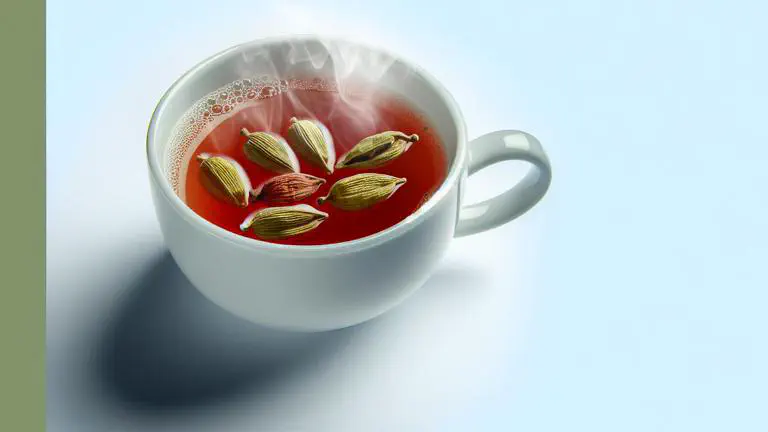
How to use cardamom in chai tea and beverages: recipes and benefits
Cardamom is one of the most versatile spices in mixology and beverage preparation. In this professional and informative article we will look at how to incorporate cardamom into chai tea and beverages —both hot and cold— with step-by-step recipes, tips for identifying high-quality green cardamom in Colombia, and practical guidance on purchasing and suppliers. We also include notes on production, prices and export for those working in Colombia’s cardamom production chain. Some technical and commercial references have been drawn from sector guides and documents mentioned throughout the text.
1. Why use cardamom in beverages?
Cardamom brings a refreshing aroma and aromatic complexity that complements black tea, plant-based milks, spiced coffees and cold beverages. In chai-type blends, its profile adds citrus and minty notes that enhance other spices such as cinnamon, clove and ginger. In cold beverages, cardamom works very well in syrups and infusions, providing a lasting fragrance without the need for large quantities.
The traditional chai tea recipe and many modern preparations include cardamom as a central ingredient. Manuals and processing/recipe handbooks from the region record its use both in teas and in desserts and liquid preparations.
2. Types and presentations of cardamom for beverages
- Green cardamom (whole pod): ideal for infusing in hot and cold liquids; offers the freshest aromatic profile.
- Shelled seeds: used when greater contact with the liquid is needed (for example, in lattes or syrups).
- Ground cardamom: practical for quick blends; loses aroma over time, so it is advisable to buy in small quantities.
For preparing chai tea and beverages, green cardamom is the presentation preferred by professionals, as its pod protects the essential oils and allows for controlled aroma extraction. Post-harvest guides describe classification by colour and size that guarantees quality in pod and seed.
3. Basic chai tea ingredients and cardamom’s role
Typical chai tea ingredients (base): black tea, cinnamon, clove, ginger, black pepper and cardamom. Cardamom for chai tea and beverages contributes the distinctive nuance within the set of spices and can modulate the perception of sweetness and acidity in the infusion.
4. Main recipes (hot and cold)
Below you will find tried-and-tested recipes that are adaptable for home and professional use. All are designed for beverages both hot and cold, using cardamom as the central element.
4.1 Classic chai tea (homemade base)
Ingredients (for 4 cups):
- 2 cups of water
- 2 black tea bags or 2 tablespoons of loose black tea
- 1 teaspoon ground cardamom or 4-6 lightly crushed green cardamom pods
- 2 cups of milk (or plant-based milk)
- 2 tablespoons of sugar or to taste
Method:
- Boil the water with the black tea and cardamom.
- Add the milk and sugar. Bring to a light boil and cook for 2–3 minutes.
- Strain and serve hot. For a more aromatic version, add the whole spices (pods), removing them before serving. This recipe can be found in practical handbooks on chai preparation.
4.2 Masala chai concentrate (for cafés)
Ingredients (concentrate for 1 L):
- 1 L of water
- 100 g loose black tea
- 20–25 g crushed cardamom pods
- 30 g cinnamon sticks
- 10 g cloves
- 30 g fresh ginger, sliced
- 200–250 g sugar (to taste)
Method:
- Boil water with the spices for 10–15 minutes to extract aromas.
- Add the tea and turn off the heat; leave to steep for 5–10 minutes.
- Strain and sweeten while warm. Refrigerate. To serve, mix 1 part concentrate with 1–2 parts hot or cold milk according to preference.
This format is efficient for volume preparation and allows for standardising flavours in cafés and restaurants.
4.3 Iced chai latte / Chai Latte frío
Ingredients (1 glass):
- 120 ml masala chai concentrate (cold)
- 120 ml cold milk or plant-based drink
- Ice to taste
- Optional: cardamom syrup to intensify aroma
Method:
- Pour ice into a glass, add the concentrate and top up with cold milk.
- Stir or mix and serve garnished with a cardamom pod.
4.4 Cardamom syrup (base for cold beverages)
Ingredients:
- 1 cup of water
- 1 cup of sugar
- 6–8 crushed cardamom pods
Method:
- Boil water and sugar until dissolved.
- Add the cardamom pods and simmer over low heat for 10–15 minutes.
- Strain and bottle once cold. Store refrigerated.
Use: this syrup is ideal for preparing iced chai, non-alcoholic cocktails, spiced lemonades or for sweetening iced coffees with a cardamom aroma.
4.5 Cold cardamom infusion (spice cold brew)
Ingredients:
- 1 L cold water
- 8–10 lightly crushed cardamom pods
- Optional: 2 slices of ginger or a cinnamon stick
Method:
- Combine in a bottle and leave to steep in the refrigerator for 8–12 hours.
- Strain and use as a cold base for beverages, lemonades or cocktails.
This technique preserves delicate notes and avoids the extraction of bitterness that prolonged hot infusion sometimes brings.
5. Practical tips for maximising aroma and flavour
- Lightly crush the pods before infusing to release essential oils; avoid pulverising them completely if you want a clear beverage.
- Add cardamom in stages: at the start for background notes and at the end for fresher top notes.
- For syrups and concentrates, use pod cardamom for a cleaner extraction.
- Avoid using old ground cardamom (open for more than 6–8 weeks) as it loses intensity.
6. How to identify high-quality green cardamom in Colombia
When looking for green cardamom, check the following aspects that indicate good commercial standard:
- Colour and uniformity: pods with a homogeneous green tone and shine; technical handbooks describe classifications by hue and size that help define quality.
- Aroma: fresh, persistent smell when the pod is opened; absence of musty or rancid odours.
- Seed: dark, firm internal seeds; the pod should show no signs of mould or mucilage.
- Origin and processing: prefer lots with good post-harvest management and classification, reflected in proper drying and cleaning. Sector technical guides explain post-harvest selection and classification processes.
If buying cardamom for chai tea and beverages in bulk, request lot information and, if possible, a sample to test aroma before purchase.
7. Where to buy quality cardamom in Colombia and suppliers
For purchasing cardamom in Colombia there are several routes: wholesale markets, specialised spice suppliers, intermediaries and direct purchase from producers or nurseries supplying seeds or rhizomes. For those seeking suppliers of cardamom for chai tea in Colombia, it is advisable to request trade references, certifications (if applicable) and quality samples. Sector documents record marketing and sales experiences and opportunities with international and domestic buyers.
In some cases local producers offer sales of green seed and advisory services; background commercial documents record reference prices for rhizomes and fresh seed that serve as a guide for supply planning.
8. Price, production and trends (Colombia 2025)
Cardamom prices vary according to presentation, quality and destination (domestic consumption or export). Local analyses present establishment and maintenance costs per hectare, as well as input values and seed and rhizome prices, which are useful for estimating supply and price in the domestic market. These documents also point to challenges and opportunities in Colombia’s cardamom value chain.
In the context of export, regional guides recommend meeting quality standards and certifications to access Latin American and Middle Eastern markets; distribution and logistics are determining factors for maintaining the freshness and colour of the product destined for international markets.
9. Export and logistics: keys for suppliers of cardamom to Latin American markets
Those considering the export of Colombian cardamom must address quality, documentation and logistics requirements. It is important to work on traceability, barrier packaging and humidity control to preserve colour and aroma, as well as to plan distribution routes that minimise transit times to destination markets. Sector documents recommend studying market niches and links with buyers in Latin America to position organic and conventional cardamom.
10. Aspects of sustainable production and quality for export
Sustainable production and the use of organic fertilisers can help maintain soil fertility and grain quality; technical studies and theses on organic fertilisers reflect environmental and economic benefits that may favour cardamom projects aimed at organic certification and high-value markets. For producers interested in organic cardamom for export from Colombia, it is important to document practices, keep records and work on traceability.
11. Good commercial practices and recommendations for buyers
- Request quality certificates where applicable (e.g., organic) and sampling prior to larger purchases.
- Consider buying from suppliers that carry out post-harvest cleaning and classification to guarantee proper colour and aroma.
- For use in commercial beverages, prefer lots with stable sensory characteristics and ensure storage in dry, cool conditions to preserve essential oils.
12. Additional recipes and suggested combinations
- Cardamom and cocoa latte: mix cocoa, hot milk and 1 crushed cardamom pod for a comforting beverage.
- Tropical cardamom smoothie: add a pinch of ground cardamom to banana and yoghurt smoothies (if you want a mild spiced profile).
- Citrus mocktail: cardamom syrup, lemon juice and soda for a refreshing beverage.
(See the syrup and cold infusion sections for base instructions.)
13. Safety and storage
- Store cardamom in airtight containers away from light to preserve aroma.
- Avoid exposing ground cardamom to air for prolonged periods; prefer the whole pod for a longer shelf life.
14. Resources for further learning (guides and training)
There are technical handbooks and practical guides that include recipes, post-harvest management and recommendations for marketing and sales and cooperatives; these publications offer useful tools both for those preparing beverages and for those involved in the production and marketing and sales of cardamom in Colombia.
Learn more combinations for your beverages.
Have you tried combining cardamom with other less traditional spices in your chai or cold beverage; what has been your experience and which combination would you like to perfect?
About the author
Juan Pablo Toro López is an Agroindustrial Engineer (Universidad La Gran Colombia) with more than 15 years of experience in the food production chain: production, food safety, process standardisation and export requirements. He has been an agroindustry lecturer at SENA and at universities such as Universidad Andina and Fundación Universitaria San Martín, and a digital marketing and sales consultant for companies in the sector.