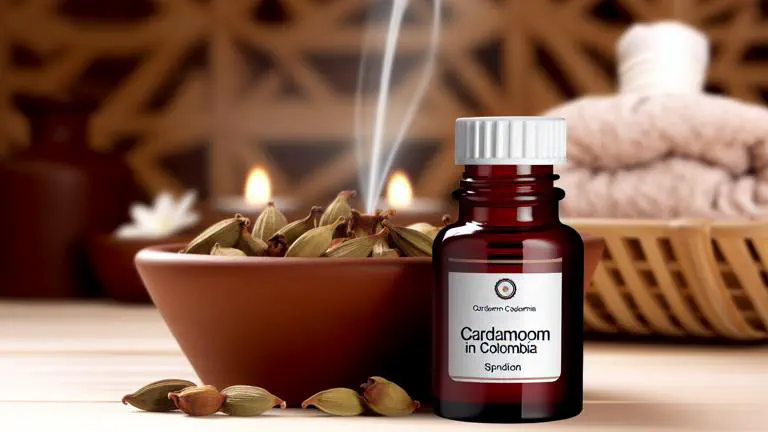
How to use cardamom in aromatherapy
The use of cardamom for aromatherapy combines the sensory richness of its pods and essential oil with diffusion and formulation techniques typical of the sensory wellness field. This article offers a guide aimed at therapists and consumers on the aromatic profile of cardamom, how to use it safely in sessions and aromatic products, and quality and market considerations especially relevant to Colombian cardamom.
Throughout the text, references are integrated to quality parameters, markets and production that help in selecting suitable raw material for use in aromatherapy and cosmetics. For production and traceability aspects in Colombia, there are technical guides addressing mother plant selection, propagation and management of the production chain.
Table of Contents
- Aromatic profile of cardamom
- Essential oil: composition and quality parameters
- Forms of use in aromatherapy: professional practices and recipes
- Dilution, safety and contraindications
- Raw material selection: Colombian cardamom and suppliers
- Commercial and export considerations for cosmetic and aromatic uses
- Conclusions and practical recommendations
Aromatic profile of cardamom
Cardamom has a complex aromatic profile that combines fresh, spicy and slightly citrus notes, depending on the variety and degree of processing. The aromatic perception is due to its concentration of essential oils and volatile compounds present in the seeds and pods.
Sensory parameters (aroma, colour and texture) are key elements in determining the suitability of cardamom for aromatherapy and cosmetics; demanding markets value bright green colour and an intense, clean aroma.
Studies and technical data sheets on cardamom record its general chemical profile and uses, which supports its use in aromatic preparations when essential oils with adequate specifications are available.
Essential oil: composition and quality parameters
Cardamom essential oil is the volatile fraction that concentrates the compounds responsible for the aroma and is the preferred form for professional aromatherapy. In commercial and quality terms, technical and regulatory documents on spices and condiments establish measurable parameters such as volatile oil content, moisture and the absence of foreign odours or flavours, which are relevant when choosing raw material for aromatic products.
In addition, technical evaluations and studies on the chemistry of cardamom confirm the presence of a mixture of terpenes and other volatile compounds that determine its sensory use. These technical studies serve as a reference for formulation and quality control of essential oil intended for aromatherapy.
Forms of use in aromatherapy: professional practices and recipes
Below are detailed modes of applying cardamom in aromatherapy, adapted for professionals and responsible consumers. In all cases, prioritise quality essential oils and follow safety guidelines.
1) Ambient diffusion
- Method: Add 2 to 6 drops of cardamom essential oil to an electric diffuser depending on the size of the space and the desired intensity.
- Professional recommendation: combine cardamom with complementary oils (e.g. lavender, bergamot, or quality citrus) to create balanced aromatic layers.
- Note: Adjust dosage according to the tolerance of the people present and the ventilation of the room.
2) Direct inhalation (spot use)
- Method: Place 1–2 drops on a clean handkerchief or on the palm of the hand and take gentle inhalations.
- Use: A useful technique before a sensory therapy session or during conscious breathing exercises.
3) Massage blends (diluted topical application)
- Safety recommendation: never apply pure essential oil directly to the skin.
- Suggested professional dilution: 0.5%–2% in carrier oil (for example, 3–12 drops of cardamom essential oil per 30 ml of carrier). Perform a patch test before first use.
- Practical use: low-concentration formulations for short massages, always with the client’s informed consent.
4) Aromatic baths and compresses
- Bath: Dissolve 6–10 drops of cardamom essential oil in an emulsifying base (such as plant-based milk or a spoonful of salt/carrier oil) before adding to the bath water.
- Compresses: Add 2–4 drops to 250 ml of warm water with an emulsifier and apply as a localised compress.
5) Formulations for personal inhalers and roll-ons
- Personal inhaler (inhaler stick): 10–15 drops of cardamom essential oil in the cartridge, mixed with other volatile oils if greater complexity is desired.
- Roll-on: Dilute to 1–2% in carrier oil in a roll-on bottle for spot application on pulse points (always with a prior tolerance test).
Note: the doses indicated are general guidelines for trained therapists; adjust according to professional protocols and applicable local regulations.
Dilution, safety and contraindications
Safety is a priority in aromatherapy. Although cardamom is prized for its aroma, any essential oil can cause skin sensitisation or reactions in people with hypersensitivity.
- Dilution: Maintain conservative dilutions (0.5%–2%) for general topical use and perform 24–48 hour patch tests.
- Interactions and precautions: Avoid unsupervised use in pregnant or breastfeeding women and in people with specific medical conditions without prior professional assessment. Always consult a healthcare professional or certified aromatherapist if in doubt.
- Storage: Keep the essential oil in dark, airtight containers in a cool place to preserve its sensory and chemical quality.
These recommendations aim to minimise risks and ensure a responsible sensory experience.
Raw material selection: Colombian cardamom and suppliers
For therapists and manufacturers of aromatic products, choosing raw material with traceability and appropriate specifications is essential. In Colombia there are initiatives and guides describing selection processes, the establishment of mother plantations and good practices in production chain management, useful information for those seeking cardamom intended for aromatic and cosmetic uses.
When selecting a supplier or batch, consider:
- Sensory specifications: clean aroma, intensity and colour of the product (e.g. green cardamom when a certain aromatic freshness is sought).
- Physical-chemical parameters: volatile oil content and moisture, in accordance with standards applicable to spices and condiments.
- Traceability and quality practices: documentation on origin, processing practices and sanitary controls.
- Packaging and conditioning: containers that protect quality during transport and storage.
Key phrases of interest when searching for suppliers: “Colombian cardamom suppliers for aromatherapy and cosmetic use” and “Colombian cardamom essential oil for aromatherapy price and quality”; when contacting suppliers, request analytical certificates and clear purchasing conditions.
Commercial and export considerations for cosmetic and aromatic uses
The global cardamom market is made up of importing and exporting countries with specific quality and presentation demands. Market analysis documents and projects on the cardamom trade show volumes and values associated with different destinations, which is relevant if your interest combines production, marketing and sales, and use in aromatherapy.
Practical aspects to consider:
- Market and demand: certain importing countries value visual quality and aromatic concentration, which can influence price and acceptance.
- Export requirements: international sale requires compliance with phytosanitary requirements, traceability and packaging standards; trade guides and handbooks offer guidance on documentation and market promotion.
- Cooperatives and production chains: working with cooperatives can facilitate access to batches with traceability and joint marketing and sales practices.
Note: If your interest is to acquire essential oils for cosmetics or aromatherapy, demand composition analysis and quality parameters, and verify the requirements of the destination market in the case of export.
Best practices for therapists and manufacturers
- Verify the purity and origin of the oil: request certificates and analytical parameters.
- Keep records of batches and tolerance tests: these are tools for professionalisation and traceability.
- Design blends with a clear sensory purpose: combination with carrier oils and other essential oils should respond to an intended experience for the client.
- Inform and educate: provide clients with clear information on origin, dilution and tolerance tests.
- Seek suppliers with responsible practices who meet quality requirements for cosmetic and aromatic use.
Blend examples (indicative, for certified therapists)
- Blend 1 — Warm balance (diffusion): 3 drops cardamom + 3 drops bergamot + 2 drops lavender.
- Blend 2 — Spiced focus (personal inhaler): 4 drops cardamom + 2 drops cardamom (second complementary oil: ginger or citrus depending on tolerance) — adjust according to professional protocol.
- Blend 3 — Relaxing roll-on (1% diluted topical): 6 drops cardamom in 30 ml of neutral carrier oil.
Remember that these are indicative formulas; each therapist must adapt concentrations and combinations according to their training and the individual response of their clients.
Final conclusions and recommendations
Cardamom for aromatherapy is a raw material with notable sensory potential; its professional use requires attention to the quality of the essential oil, compliance with good formulation practices and respect for user safety. For those working in Colombia, the availability of technical documentation on cardamom selection and management, as well as market data, makes it easier to make informed decisions about suppliers and batches intended for aromatherapy and cosmetics.
When integrating cardamom into your sensory practice, always prioritise:
- Quality and traceability of the raw material.
- Appropriate dilutions and safety protocols.
- Transparency with clients about the origin and composition of the product.
Experience the aromatic benefits of cardamom.
Would you like us to prepare a print-ready technical data sheet with recipes, dilution guidelines and a purchasing checklist for cardamom essential oil adapted to your professional practice?
About the author
Juan Pablo Toro López is an Agro-Industrial Engineer (Universidad La Gran Colombia) with more than 15 years of experience in the food production chain: production, food safety, process standardisation and export requirements. He has been an agro-industry lecturer at SENA and at universities such as Universidad Andina and Fundación Universitaria San Martín, and a digital marketing and sales advisor for companies in the sector.