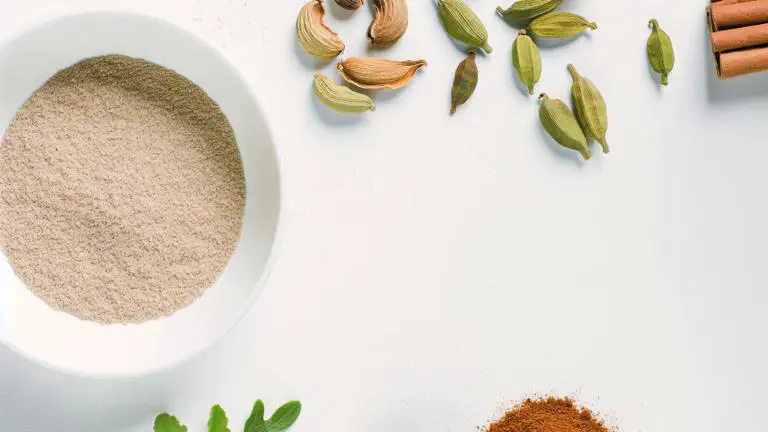
How to use cardamom as a natural flavouring in food and beverages
Cardamom has traditionally been a prized spice for its distinctive aroma and flavour. For chefs, formulators and the food industry, understanding how to integrate cardamom as a natural flavouring into recipes and industrial products is key to differentiating offerings, meeting ’natural’ labelling requirements and gaining access to domestic and international markets.
In this practical and technical guide we will cover:
- The relevant sensory and chemical characteristics of cardamom.
- Commercial formats and selection according to use (pod, seed, powder, essential oil and extracts).
- Specific applications in beverages, pastry, baking, dairy, savoury foods and alcoholic beverages.
- Dosage recommendations and synergies with other raw materials.
- Stability considerations during thermal and industrial processes and quality control for export.
- Sourcing options in Colombia and market overview.
The sections combine technical evidence and practical guidelines aimed at the food industry and professional formulation.
1. Relevant organoleptic properties and composition
The aroma and flavour of cardamom come from a volatile oil concentrated in the seeds (3.5–7% in some studies), whose components include 1,8-cineole (eucalyptol), terpineol, limonene, among other aromatic compounds that account for its fresh, minty, citrus and slightly floral notes. These compounds make cardamom an ideal candidate for applications requiring a complex and stable aromatic profile at appropriate doses.
In addition to its volatile oil, cardamom is widely used in the confectionery, spirits, beverage and pastry industries, precisely because of its ability to provide aroma without introducing unwanted colours or textures when used in the form of oil or extract.
2. Commercial formats and their technical advantages
Selecting the right format is the first decision when incorporating cardamom as a natural flavouring into a formulation:
Whole pods: useful for infusions, macerations and when an artisanal presentation is sought in the final product or during the process (for example, infusing creams or syrups). They allow controlled extraction and a slower release of aromatic compounds.
Cleaned seeds: used freshly ground in baking, doughs and products where a more uniform aromatic contribution is desired.
Cardamom powder: convenient in industrial processes requiring homogeneity and dosing by weight; its main limitation is faster aromatic loss due to greater exposure to air.
Essential oil: a high-potency format for liquid applications, beverages, spirits and concentrated products; requires technical handling due to its potency and limited solubility in water.
Extracts (oil-based or alcohol-based): offer a balance between potency and ease of incorporation into emulsions and alcoholic bases. Suitable for formulations with fatty or alcoholic matrices.
Each format has implications for stability, solubility and dosage; typical industrial use favours extracts and oils for beverages and chocolates, while powder and seeds are preferred in artisanal baking and confectionery. These commercial forms are adapted to supply chain practices and processing and export requirements.
3. Practical applications in food and beverages
Below are specific applications with usage recommendations and technical notes.
3.1 Hot beverages: speciality coffee and tea
Cardamom as a natural flavouring is traditional in coffee across various cultures for its ability to complement and soften the perception of caffeine, providing fresh and lingering aromatic notes. In speciality coffees, slightly opened pods or ground seeds can be added during grinding or preparation to create a distinct profile without altering the product’s structure.
Practical suggestions:
- Direct infusion with grounds: 1–3 seeds per cup, adjusting according to desired intensity.
- Industrial formulation (syrups/instant products): use micro-dosed extract or oil; the amount will depend on the extract’s potency (test in the specific matrix).
Keep in mind that cardamom can modulate the perception of bitterness and acidity, so it is advisable to conduct targeted sensory tests with the target consumer group.
3.2 Cold beverages and non-alcoholic cocktails
For cold beverages and mocktails, alcohol-based or water-soluble extracts and pod-infused syrups offer better integration. As a rule, cardamom’s citrus notes pair well with citrus fruits, ginger and fresh herbs.
Indicative dosage:
- Syrups: 0.2–0.5% (w/w) in the finished syrup, depending on extract concentration.
- Ready-to-drink beverages: start trials with 10–50 ppm total aromatic compound, adjusting based on sensory testing.
3.3 Dairy and desserts (ice cream, creams, yoghurts)
Cardamom adds freshness and complexity to dairy desserts. In ice cream and custards, using oil-based extract or infusing the dairy base before heat treatment allows for uniform aroma extraction.
Technical guidelines:
- Infusion in dairy base: infuse split pods in the hot mixture, remove before homogenising.
- Dosage in ice cream: 0.05–0.2% depending on extract potency; conduct trials to avoid excessive herbal perceptions.
3.4 Baking and pastry
In speciality breads, biscuits and doughs, cardamom powder or ground seeds stand out in combination with sweet spices such as cinnamon and cloves. Baking heat can volatilise part of the aroma, so it is often recommended to add a fraction of the cardamom after baking (in applications where this is possible) or to use higher-potency extracts.
3.5 Savoury products and snacks
Cardamom offers possibilities in gourmet snacks, sauces and savoury dishes requiring clean aromatic notes. It works well in spice blends for baked snacks and in fat-based sauces where its lipophilic compounds integrate better.
3.6 Spirits and alcoholic beverages
Use in spirits and distillates is traditional: it is macerated in alcoholic bases to transfer aroma and flavour, or used in formulations of flavoured aguardientes and liqueurs. For export and labelling purposes, it is necessary to consider the regulations governing additives and permitted concentrations in each target market. International trade data show trade and demand patterns that can guide formulation and product positioning decisions.
4. Dosage and good formulation practices
The optimal dosage depends on the format, the extract’s potency and the product matrix. Below are general guidelines for formulators:
- Start with low doses and increase through controlled sensory testing.
- For essential oils, use micropipettes and employ suitable solvents or emulsifiers to ensure homogeneous distribution.
- For aqueous applications (beverages), prefer water-soluble extracts or oil emulsions to avoid solubility issues.
- Consider synergies: cardamom pairs well with citrus, ginger, vanilla and cinnamon; in blends it can enhance desired notes and reduce the total amount of flavourings required.
Practical indicative example (industrial, approximate and subject to sensory adjustment):
- Ice cream/creams: 0.05–0.2% (w/w) with oil-based extract or infusion in the base.
- Non-alcoholic beverages (syrups): 0.2–0.5% in the finished syrup.
- Baking (dough): 0.1–0.5% cardamom powder in the dry mix.
- Spirits/maceration: 1–5% in initial maceration, adjusted through sensory analysis.
Always conduct pilot trials at production scale to adjust for losses due to thermal processes or volatilisation during mixing and packaging.
5. Stability during processing and preservation guidelines
Cardamom contains volatile compounds that can be lost through heat, oxidation or prolonged storage. Technical recommendations:
- Minimise exposure to air and light: for powder or ground seeds, package under controlled atmosphere when possible.
- Using concentrated extracts or oils for high-heat processes improves aroma retention compared with using powder.
- Add part of the aroma in final process stages or use encapsulation technologies to protect the aroma during processing and release it upon consumption.
In quality control testing, analyse sensory parameters and, if possible, the concentration of key volatile compounds using analytical techniques to ensure consistency between batches. The physical and chemical specifications of spices (ash, moisture, volatile oil) are useful technical references found in international spice standards.
6. Quality control and market and export requirements
For Colombian formulators and exporters wishing to incorporate cardamom as a natural flavouring in products aimed at international markets, it is essential to consider traceability, residue limits, physical specifications and microbiological parameters.
Specifications: parameters such as moisture content, ash and aromatic oil content are quality criteria for spices. Technical guides and spice standards provide reference ranges to ensure quality during packaging and transport.
Residues and phytosanitary aspects: for cardamom intended for export, it is critical to ensure that treatments and pest control do not leave residues that could cause rejections at destination; integrated pest management practices and the use of bio-inputs are common in production geared towards organic or high-value markets.
Traceability and certifications: having traceability (batch origin, field practices, drying and processing methods) and certifications (organic, GMP, residue analysis) facilitates access to markets in Europe, the US and the Middle East, where demand for quality spices is significant. International trade reports show the trends and main destinations that influence commercial decisions.
7. Sourcing in Colombia: supply, market and suppliers
Colombia has a growing dynamic in production and activities related to cardamom; technical documents and regional studies show the development of production chains and production costs that must be considered when evaluating prices and sourcing. For formulators and industries seeking Colombian cardamom suppliers for export or domestic sourcing, it is advisable to:
- Validate batch specifications (green cardamom, moisture, oil content, cleanliness).
- Verify traceability and compliance with pest management and post-harvest practices to avoid residues.
- Negotiate supply terms (frequency, packaging, certificates and laboratory analyses).
Guides and studies on production costs and crop establishment in Colombia provide economic references that help negotiate prices and understand the seasonality and yield of batches. These documents contain tables and cost estimates per hectare and input structure that contextualise local supply.
For industries requiring Colombian green cardamom or cardamom in processed formats, it is strategic to develop agreements with suppliers that offer processing, controlled drying and packaging services under conditions that preserve the aromatic oil and sensory quality of the final product. Reports on production and export also help in understanding demand in Latin American markets and other destinations.
8. Market, prices and commercial opportunities
The global cardamom market is concentrated in several traditionally exporting countries; however, the emergence of producers in Colombia and the focus on specialty markets (organic, gourmet) create opportunities for formulators wishing to position products with an origin label. Trade documents and sector projects show international trade volumes and destinations, useful information for planning export strategies and setting competitive prices based on quality and certifications.
Regarding prices, values fluctuate according to quality (green cardamom with high aromatic intensity commands a higher price), processing costs and export market conditions. Local cost studies allow estimation of production price ranges per kilogram and potential margins, key information for negotiations with suppliers.
9. Final recommendations for formulators and chefs
- Define the format according to the matrix: extracts/oils for beverages and fatty matrices; powder or seeds for baking and seasonings.
- Prioritise batches with quality controls and sensory analysis; request certificates and volatile compound analysis results when possible.
- Conduct pilot trials for dosage and stability: process temperatures, baking times and mixing homogeneity can affect the final perception.
- Consider encapsulation technologies or the use of emulsifiers to improve aroma retention in aggressive processes.
- Work with suppliers that offer traceability and pest management practices compatible with target market requirements; phytosanitary residue management is especially critical for export.
10. How to integrate cardamom into product and marketing strategy
The use of cardamom as a natural flavouring can be a differentiator on ’natural’, ‘premium’ or ‘originating from Colombia’ labels. For markets that value provenance, it is advisable to document origin and practices, highlighting sensory attributes (aroma, notes) in product materials and technical communication aimed at B2B clients and end consumers.
In addition, incorporating cardamom into special product lines (limited editions, signature beverages, gourmet snacks) allows testing acceptance and establishing value-added pricing before scaling up.
Conclusion
Integrating cardamom as a natural flavouring into food and beverage developments offers a way to add aromatic complexity, differentiate products and access premium market segments. The choice of format, dosage and rigorous quality and traceability control are critical elements for ensuring sensory consistency and compliance with export and market requirements. Technical and commercial documents on the production, composition and international trade of cardamom in Colombia provide useful references for technical and commercial decision-making.
Explore uses of cardamom as a natural flavouring.
Which cardamom application are you interested in developing first in your industrial kitchen or product line, and what technical challenges do you think you would need to solve for its scale-up and certification?
About the author
Juan Pablo Toro López is an Agro-Industrial Engineer (Universidad La Gran Colombia) with more than 15 years of experience in the food production chain: production, food safety, process standardisation and export requirements. He has been an agro-industry lecturer at SENA and at universities such as Universidad Andina and Fundación Universitaria San Martín, and a digital marketing and sales advisor for companies in the sector.