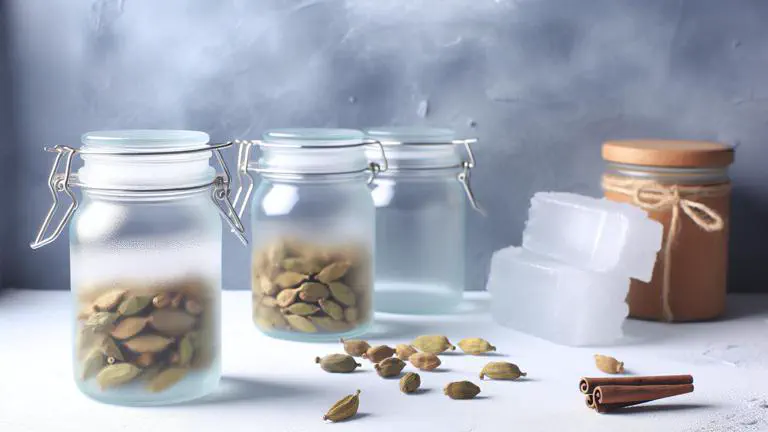
How to store cardamom to preserve aroma and quality
Correct post-harvest handling is critical to maintaining the aroma, colour and quality of cardamom. This practical article, aimed at producers and shops, explains step by step how to store cardamom correctly in Colombia: from controlled drying to packaging, moisture control, warehouse storage procedures and export requirements.
Throughout the text you will find references to technical standards and recommendations that support the suggested practices, as well as checklists applicable to the production chain and trade.
Why storage is key to cardamom quality
Cardamom is a spice valued for its aroma and essential oils. The loss of these qualities occurs due to inadequate post-harvest handling: moisture, heat, light or unsuitable packaging can accelerate degradation. Sensory quality and packaging specifications emphasise that packaging must not be a source of contamination and must protect product quality during transport and storage.
Furthermore, the international market values the colour, size and aroma of cardamom; these attributes influence acceptance and price in destinations such as the United States, the European Union and Japan, which is why maintaining quality during storage is essential for marketing and sales and export.
Summary of critical post-harvest steps to preserve aroma and quality
- Controlled drying of the pods (drying curve).
- Cooling and handling to avoid condensation.
- Sorting and selection by quality (colour, size, integrity).
- Packaging with food-grade materials and protection against moisture and light.
- Storage in clean, dry and controlled warehouses.
- Record-keeping, traceability and quality control to meet domestic and international market requirements.
Each of these steps is developed in the following sections with practical recommendations and regulatory considerations.
1. Drying: the foundation for preserving aroma and colour
Drying is the stage that fixes initial quality. Studies and technical guides report that for green cardamom, controlled drying that avoids overheating and discolouration is important. To preserve colour and aromatic compounds, a process with temperature and time control is recommended, in which the first phase (rapid onset) reduces surface moisture and the second phase (slow fall) consolidates drying without damaging the pods. In practice, indicative temperatures of 45–50 °C have been used, with a total drying time that can be kept within the range of 18–24 hours, with the rapid onset phase typically lasting 4–6 hours, although the final duration depends on the initial moisture content and the equipment used.
Practical recommendations for producers:
- Use mechanical dryers where possible to control temperature and airflow and avoid thermal differences between areas of the drying bed. Temperature control reduces the risk of loss of green colour and essential aroma.
- Monitor the process and check the pods periodically to avoid over-drying or hot spots.
- Avoid sudden temperature changes that cause “thermal shock” in the pods, which can affect aroma and colour.
- Consider pre-treatments used in some processes (for example, controlled solutions) that help intensify colour; any treatment must be assessed under regulations and food safety requirements before application.
2. Cooling and handling prior to packaging
After drying, it is essential to let the pods cool to room temperature, in a dry and ventilated place, before packaging them. Cooling prevents condensation inside the packaging —fatal for aroma preservation and mould prevention— and is a practical recommendation found in post-harvest handling guides.
Handling guidelines:
- Spread the pods on trays or mesh in a cool, dry environment until they reach a stable temperature.
- Handle with clean hands and tools to avoid contamination; disinfect tools according to hygiene protocols (for example, an alcohol-based solution for tools).
3. Sorting and sensory control: preserving aroma and size
Sorting by size, colour and smell is a commercial and quality step. Markets value pods with bright green colour, uniform size and intense aroma; these characteristics affect the acceptance and price of the lot.
Operational tips:
- Carry out manual or mechanical selection to separate damaged pods or those showing signs of moisture, insects or discolouration.
- Record lots with their characteristics (size, harvest date, drying treatment) for traceability and to facilitate marketing and sales to markets with specific demands.
4. Packaging: materials and requirements
Packaging must be food-grade and must not be a source of contamination; it must also protect product quality during transport and storage, as indicated by the applicable spice and condiment regulations relating to quality standards.
Practical packaging aspects for producers and shops:
- Use packaging materials certified for food use (bags, polypropylene sheets or sacks, barrier-lined metallised paper, or airtight containers depending on the market and scale of the business) to protect against moisture and physical contamination.
- Package only when the material is completely cold and dry to avoid internal condensation that favours microbial growth.
- Label with minimum information: origin, harvest date, lot, net weight and, where applicable, certifications (organic, etc.) according to target market requirements.
5. Storage conditions: moisture and environmental control
Cardamom is hygroscopic and moisture-sensitive; therefore, controlling the storage environment is essential to preserve aroma, colour and essential oil composition. The Codex indicates that, due to the hygroscopic nature of these products, a lower water content may be necessary to avoid problems throughout the supply chain.
Good storage practices:
- Store in clean, dry, ventilated warehouses protected from direct light. Avoid sudden fluctuations in temperature and humidity.
- Separate by lot and keep records of stock entries and exits (traceability).
- Inspect periodically to detect signs of moisture, insects or deterioration; remove and assess any suspect lot.
- Maintain pest control measures and preventive cleaning in the warehouse; waste management and cleaning of plots and work areas also help reduce contamination risks during post-harvest.
Note: the documents reviewed do not provide a single, invariable moisture or storage temperature figure applicable to all situations; durability depends on the joint control of moisture, packaging and warehouse conditions. Keeping moisture low and avoiding condensation are fundamental criteria for preserving aroma and quality.
6. Quality control and relevant analytical parameters
For demanding markets, in addition to sensory assessment (colour, aroma, size), there are reference analytical parameters that help verify product quality. Spice standards specify physico-chemical parameters for products such as cardamom (for example, ash, volatile fatty matter, oils), which are used for classification and quality control during post-harvest and prior to export.
Operational recommendations:
- Keep records of analyses or periodic tests when marketing and sales require evidence of quality.
- Implement acceptance checks on receipt and before dispatch: sensory appearance, dust volume, presence of foreign matter.
7. Export requirements and good practices from Colombia
Those planning to export must integrate storage practices with the documentation and certifications required by the destination market. Requirements include organic certifications if the product is declared organic (USDA, EU Organic, JAS or others), traceability records and compliance with residue limits and food safety standards.
In addition, commercial and logistical management for export involves ensuring that packaging and transport maintain quality (food-grade packaging, protection against moisture and handling) and that traceability allows a response to any phytosanitary or commercial requirement in the importing country.
Brief checklist for exporters:
- Confirm destination country requirements: certifications, phytosanitary documentation and residue limits.
- Ensure packaging is compatible with international transport and provides protection against moisture and light.
- Keep records of lot, harvest dates, drying process and storage.
- Carry out inspections and quality control analyses before dispatch.
8. Storage for shops and points of sale
Shops selling cardamom in bulk or packaged form must maintain conditions that protect the aroma and integrity of the product:
- Keep containers closed and protected from heat and moisture.
- Avoid prolonged exposure to light and rotate inventory (FIFO) to minimise time on the shelf.
- Inform the customer about storage conditions on the packaging (dry, cool place away from heat sources).
These practices help preserve sensory quality and product durability in retail, protecting the consumer experience and the seller’s reputation.
9. Managing contingencies: moisture, mould and infestations
If excessive moisture, condensation or pest problems are detected during storage:
- Isolate the affected lot and assess the extent of the problem.
- Do not mix the affected lot with sound product; document the incident.
- Review causes (leaks, poor ventilation, defective packaging) and correct promptly.
Maintaining control procedures and preventive cleaning in the warehouse significantly reduces the risk of quality losses and rejection in demanding markets.
10. Durability: what can we expect?
The durability of cardamom in storage depends directly on moisture control, drying quality, packaging and warehouse conditions. If drying and cooling processes are respected, suitable packaging is used and the warehouse is kept dry and clean, cardamom better preserves its aroma and commercial value; however, the specific shelf life will vary according to conditions and handling at each link in the chain, so periodic monitoring and quality control records are recommended.
Cardamom storage guide for Colombian producers (practical summary)
- How to store cardamom correctly:
- Dry under temperature and time control to avoid discolouration and aroma loss.
- Cool before packaging to prevent condensation.
- Sort and separate lots by quality and size.
- Package with food-grade materials and protect against moisture and light.
- Store in clean, dry warehouses with pest control; document stock movements.
Best cardamom storage practices for export from Colombia: integrate traceability, certifications required by market and analytical controls where applicable.
Ideal storage conditions for Colombian green cardamom: avoid moisture and direct light; maintain a stable environment and use packaging that prevents moisture exchange and exposure to contaminants.
Storage and packaging standards: compliance and recommendations
Spice standards and specifications establish criteria stating that packaging must not be a source of contamination and must protect product quality during transport and storage. For export, in addition to packaging conditions, documentation and regulatory compliance with the destination market are required, including possible organic certifications and residue limits that must be demonstrated through records and analyses.
Producers and traders in Colombia are advised to become familiar with the requirements of the destination market and with the international standards applicable to spices, and to adapt their storage and packaging processes to ensure compliance and traceability.
Resources and records a producer or shop should keep
- Harvest and lot record.
- Drying process record (dates, temperature, duration).
- Post-drying inspection record (sensory status of the lot).
- Packaging record (materials used, operator, date).
- Warehouse entry/exit records (traceability).
- Analytical results when required for specific markets.
These records facilitate quality management, chain traceability and response to requirements from buyers or phytosanitary authorities in export processes.
Quick FAQs
- Is it necessary to dry cardamom before packaging it? Yes; controlled drying is essential to fix colour and aroma and avoid storage problems.
- What packaging materials are suitable? Food-grade materials that protect against moisture and do not transfer odours or contaminants to the product.
- How does moisture affect cardamom? Excessive moisture can cause loss of aroma, discolouration and risk of mould due to the product’s hygroscopic nature.
Conclusion and call to action
Storage is a decisive stage for preserving the aroma and quality of cardamom. Implementing a post-harvest process that combines controlled drying, proper cooling, rigorous sorting, appropriate packaging and storage in clean, dry warehouses will enable producers and shops to maintain the product’s commercial value and facilitate its marketing and sales and export. These practices not only preserve the sensory attributes of cardamom but also help meet the quality and traceability requirements demanded by domestic and international markets.
Discover the ideal storage practices.
Which aspect of post-harvest handling do you consider most challenging for your farm or business, and what support would you need to implement it consistently?
About the author
Juan Pablo Toro López is an Agro-industrial Engineer (Universidad La Gran Colombia) with more than 15 years of experience in the food production chain: production, food safety, process standardisation and export requirements. He has taught agro-industry at SENA and at universities such as Universidad Andina and Fundación Universitaria San Martín, and has worked as a digital marketing and sales consultant for companies in the sector.