How to prevent fungi in cardamom: an IPM guide
Sanitary prevention is the most cost-effective and sustainable strategy for cardamom producers seeking to protect their investment and meet quality requirements for market and export purposes. In this practical guide, aimed at producers in Colombia and the region, you will find an Integrated Pest and Disease Management (IPM) plan focused on preventing fungi in cardamom, with cultural measures, planting material treatments, biological products recommended in technical documents, and concrete monitoring and control steps. This guide draws on rhizome management protocols, mother block biosecurity practices, and documented field practices for cardamom.
1. Why focus on sanitary prevention?
Fungi and related agents (e.g. Pythium, Fusarium, Colletotrichum) affect cardamom’s productivity and quality, causing anything from rhizome rot to leaf spots that reduce yield and capsule quality for the market. Early prevention avoids losses, reduces the need for emergency treatments, and facilitates compliance with phytosanitary requirements for production and export. In mother plantations and multiplication plots, biosecurity is essential to preserve clean, uniform material.
2. Main fungal diseases and field signs
Rhizome rot (Pythium / Fusarium): yellow leaves, soft stems, foul-smelling rhizomes; closely linked to excess moisture and poor drainage.
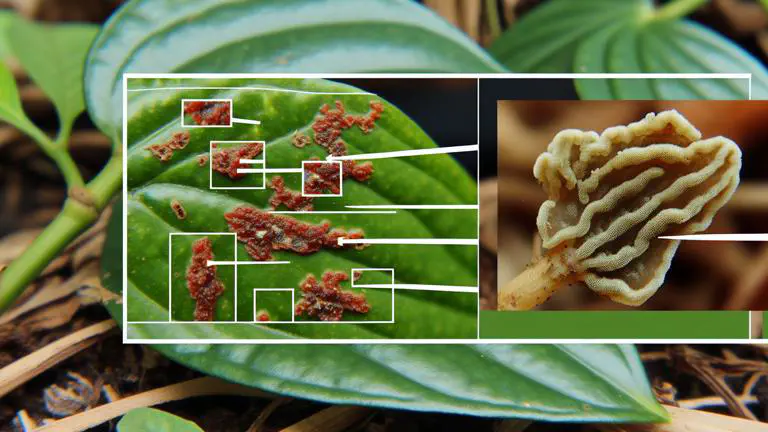
Leaf spot (Colletotrichum sp.): brown lesions with a yellowish border that progress under conditions of poor ventilation and excessive shade.
Other issues associated with soils and management: the presence of nematodes or bacteria can aggravate symptoms and require complementary actions such as solarisation or rotation.
Recognising these symptoms allows timely action with cultural and biological measures that reduce infection pressure.
3. Principles of Integrated Pest and Disease Management (IPM) applied to cardamom
Effective IPM combines:
- Cultural prevention: bed design, drainage, shade management and density control.
- Sanitation of propagation material: rhizome treatments and selection of healthy mother stock.
- Biosecurity and good operational practices: tool cleaning, access control and waste management.
- Use of biological products and natural treatments permitted according to the production scheme and phytosanitary requirements.
- Systematic monitoring and record-keeping for timely decision-making.
4. Fundamental cultural measures (preventing fungi in cardamom crops in Colombia)
- Drainage and bed preparation
- Design raised beds (20–25 cm) with good organic material to prevent waterlogging, which favours Pythium and Fusarium. Setting out beds with clear pathways improves airflow and reduces residual moisture. These recommendations are documented in site preparation protocols for cardamom plantations.
- Shade management
- Maintaining controlled shade (around 50–60%) helps balance radiation and ventilation. Excessive shade reduces air circulation and favours leaf spots; conversely, adequate shade protects the crop and maintains more stable conditions.
- Sanitary pruning and density control
- Carry out periodic sanitary pruning to remove diseased material and improve internal ventilation within the plantation. Formation pruning and renewal pruning have recommended frequencies that help prevent foliar diseases and moisture build-up.
- Weed control and residue clean-up
- Keep the plot free of host weeds and post-harvest residues; remove debris that could serve as inoculum. Manual management and controlled burning of residues, where appropriate and with due precautions, form part of preventive practices.
- Soil and organic matter
- Maintaining soils with good structure and organic matter content strengthens crop resistance; regular additions of compost and humus favour beneficial microbiota that compete with pathogens. Technical studies and production guides recommend this approach as part of nutritional management for mother blocks and plantations.
5. Sanitation of planting material: how to treat rhizomes before planting
The use of healthy material is critical to avoid introducing fungi. The protocols described in practical guides recommend:
Garlic and cinnamon infusion: prepare an infusion (for example, 10 garlic cloves + 2 cinnamon sticks per litre, boiled for 10 minutes and cooled) and soak rhizomes for 20–30 minutes; this practice is documented as effective against fungi and bacteria and stimulates sprouting.
Biostimulants and activation: after disinfection, apply seaweed extracts or humates as indicated to promote sprouting and initial vigour. Combining disinfection with biostimulation improves seedling emergence.
Sealing and curing: seal cuts on rhizomes with ash or sulphur powder and allow to dry in the shade before liquid treatments; store temporarily in ventilated areas (5–7 days maximum) before transplanting. These practices preserve the sanitary condition of the material and reduce the risk of infection.
6. Recommended biological products and natural treatments
Trichoderma spp.: its use as a biofungicide and soil amendment to prevent rhizome rot is documented in management plans and preventive calendars (tertiary applications at key moments as part of the annual schedule). Incorporating Trichoderma into compost or as a soil application is a central tool in IPM for fungi in cardamom.
Natural extracts and solutions: garlic infusion, cinnamon extract, bicarbonate solutions and other preparations described in protocols can be used as complementary measures for fungal control in early stages or in plantations managing organic production.
Biostimulants (seaweed, humates): recommended to activate rhizomes and improve initial vigour; their use is complementary to sanitary measures.
Note on synthetic products and export: for cardamom destined for international markets, it is important to prioritise inputs that leave no residues and to verify authorisation from ICA or the relevant regulatory body before using products not specifically registered for cardamom. Technical guides highlight the importance of observing intervals and residue standards to avoid rejections at the border.
7. Practical biosecurity: basic rules to prevent the entry and spread of fungi
- Disinfect tools (70% alcohol or hot water) before and after use.
- Prevent the entry of boots and work clothing from other plots without disinfection; set up a washing area at the entrance.
- Do not share rhizomes between farms without applying disinfection and curing treatments.
- Mark and restrict access to mother blocks and multiplication plots; keep a record of personnel entries and exits.
These simple rules significantly reduce the risk of introducing pathogens that cause fungi in cardamom. Mother block biosecurity is, in many cases, the difference between stable production and recurring losses.
8. Monitoring, calendar and record-keeping: how to detect and anticipate problems
Monthly monitoring sheets: record new shoots, diseased plants, soil moisture and sanitary observations; these records allow progress to be compared and the effectiveness of preventive measures to be assessed. Simple monitoring tools are recommended in technical manuals.
Calendar of activities (example used in guides): sanitary pruning in specific months, preventive antifungal treatments, rhizome health assessment, application of Trichoderma in key months as part of prevention. Following a calendar reduces improvisation and improves early detection.
Sampling and diagnosis: in the case of persistent symptoms, separate samples of affected plants and submit them to a laboratory or specialised technician for diagnosis (identification of Pythium, Fusarium, Colletotrichum or other agents) before applying large-scale treatments. This avoids unnecessary applications and targets actions more effectively.
9. Managing affected plots: what to do if rot or leaf spot appears
- Immediately isolate the affected sector and remove severely damaged material.
- Improve local drainage (aerate beds, raise if necessary) and reduce irrigation until conditions recover.
- Apply amendments with Trichoderma and mature compost to promote competitive microbiota in the soil.
- Avoid using rhizomes from affected plots for multiplication without prior treatment.
These measures must be backed by a record of interventions and an evaluation of results in order to adjust the IPM plan. Not all situations require agrochemicals; correcting cultural management is often sufficient to control fungal incidence.
10. Phytosanitary aspects and requirements for exporting cardamom from Colombia
For export purposes, in addition to production sanitation, it is essential to consider residue controls and compliance with the importer’s phytosanitary requirements. Technical management recommendations for cardamom indicate that the treatments and products used must be compatible with organic certification standards or with the residue limits required by international markets; verifying ICA authorisations and buyer requirements reduces the risk of rejections at the border.
Maintaining traceability of material (origin, treatment dates, batches) and records of agronomic practices facilitates certification processes and compliance with phytosanitary requirements for the export of Colombian cardamom.
11. Summary of good practices: checklist for producers
- Select healthy rhizomes: inspection and treatments (warm water, garlic/cinnamon infusion, biostimulant).
- Prepare beds with good drainage and organic matter; maintain bed height at 20–25 cm.
- Maintain controlled shade (50–60%) and carry out periodic sanitary pruning.
- Apply Trichoderma at preventive times according to the calendar and use enriched compost.
- Disinfect tools and manage a washing area and access to the mother block.
- Keep a monthly record of health, sprouting and activities carried out.
- Check phytosanitary requirements and residue limits before applying any input intended for export.
12. Outlook for producers: production, market and opportunities
Interest in cardamom in Colombia has grown as a productive alternative in shade and agroforestry systems; Colombian cardamom production and its green cardamom offer market opportunities both domestically and internationally, provided high quality and sanitary standards are maintained. Technical documents and market analyses indicate that international demand and specialised markets can offer attractive prices, provided phytosanitary and quality requirements for export are met.
13. Practical conclusion: minimum action plan to prevent fungi in cardamom
- Prioritise mother block health: do not share rhizomes without treatment and apply disinfection and curing protocols.
- Maintain well-drained beds, controlled shade and sanitary pruning to improve ventilation.
- Apply Trichoderma and mature compost as a biological barrier against rot and soil pathologies.
- Keep sanitary records and schedule preventive activities to detect and correct issues in time.
- Check phytosanitary requirements for export and prioritise inputs compatible with residue limits.
Avoid losses by applying these methods.
Which sanitary prevention practice do you find most viable to implement on your farm in the next production cycle, and why?
About the author
Juan Pablo Toro López is an Agro-industrial Engineer (Universidad La Gran Colombia) with more than 15 years of experience in the food production chain: production, safety, process standardisation and export requirements. He has taught agro-industry at SENA and at universities such as Universidad Andina and Fundación Universitaria San Martín, and has worked as a digital marketing and sales consultant for companies in the sector.