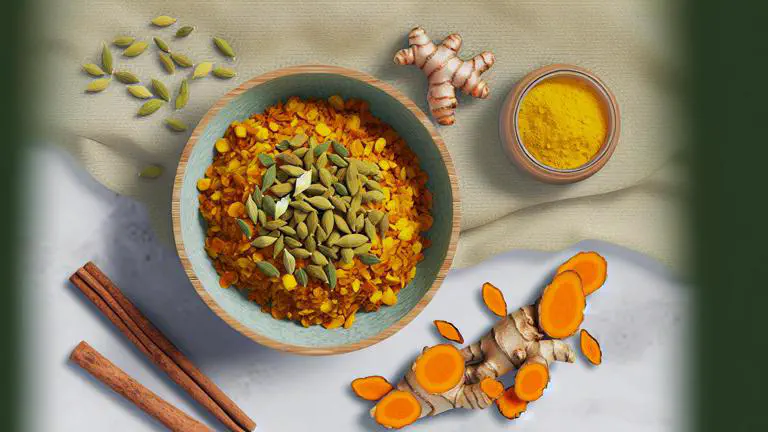
How to include cardamom in an anti-inflammatory diet
Cardamom is an aromatic spice valued for its flavour and its traditional use in various cuisines. In the context of health and nutrition, many people seek to incorporate spices with potential to support dietary strategies aimed at reducing inflammatory processes. In this professional and informative guide, we will look at how to incorporate cardamom in a practical and safe way into an anti-inflammatory diet, recipe proposals, recommendations for consumers, and considerations regarding the supply and production of cardamom in Colombia.
1. Why consider cardamom in an anti-inflammatory diet?
While no single spice replaces medical treatment or a comprehensive nutritional strategy, cardamom can be a useful ingredient within healthy dietary patterns. Interest in the culinary use of cardamom in anti-inflammatory diets is based on its aroma, its sensory profile and the possibility of combining it with other spices and foods associated with favourable effects on inflammation markers when they form part of a balanced diet.
It is advisable for any therapeutic or nutritional decision to be assessed by health professionals; this article offers practical guidance based on general nutrition criteria for consumers and professionals.
2. Safe and effective ways to use cardamom in the diet
Below are common formats and preparations for integrating cardamom into a diet aimed at reducing inflammation.
Infusions and teas: a simple and traditional way to consume cardamom. Infusions can be prepared using 1–2 crushed pods or 1/4–1/2 teaspoon of ground cardamom per cup, combined with green tea or ginger and turmeric infusions to enhance an anti-inflammatory profile.
Spice blends: cardamom works well in blends with turmeric, black pepper, cinnamon and ginger. These blends can be added to soups, stews, dressings and smoothies.
In hot dishes: adding cardamom to legume dishes, wholegrain rice and stews provides aroma and can improve the sensory acceptance of preparations with anti-inflammatory ingredients.
In cold preparations: in natural yoghurt, fruit and vegetable smoothies or extra virgin olive oil-based dressings. Use ground cardamom in small amounts (a pinch to 1/4 teaspoon) to avoid overpowering the flavour.
As a seasoning in homemade desserts: in recipes where the aim is to reduce sugar, cardamom offers an aromatic perception that can help reduce the need for sweeteners.
Practical tip: start with small amounts and adjust according to preference. Cardamom is potent in aroma; a pinch is usually enough to add character and complexity to an individual portion.
3. Recommended recipes and combinations (with guidance for anti-inflammatory diets)
The following recipes have been designed to integrate cardamom together with foods and spices commonly included in anti-inflammatory patterns.
- Soothing anti-inflammatory infusion
- Ingredients: 1 cup of water, 1 cardamom pod (crushed) or 1/4 teaspoon of ground cardamom, 1 slice of fresh ginger (optional), 1 teaspoon of fresh turmeric or 1/4 teaspoon of turmeric powder, a pinch of black pepper.
- Preparation: boil the water with the ginger and turmeric for 5–7 minutes, turn off the heat, add the cardamom and leave to steep for 5 minutes. Strain and serve. Black pepper increases the bioavailability of some compounds in turmeric.
- Green smoothie with cardamom
- Ingredients: 1 cup of green leaves (spinach or kale), 1/2 cup of pineapple or mango, 1 cup of water or unsweetened plant-based drink, 1/4 teaspoon of ground cardamom, 1 teaspoon of chia seeds.
- Preparation: blend everything until smooth. Cardamom provides aroma and complements fruits and vegetables rich in antioxidants.
- Aromatic lentil stew
- Ingredients per serving: 1/2 cup of cooked lentils, 1/4 onion, 1 garlic clove, 1 ripe tomato, 1/4 teaspoon of ground cardamom, 1/2 teaspoon of turmeric, cumin to taste, vegetable stock.
- Preparation: sauté the onion and garlic with a splash of olive oil, add the tomato and spices, add the lentils and stock, and cook for 10–15 minutes. Serve with steamed vegetables.
- Natural yoghurt with cardamom and red berries
- Ingredients: 150 g of unsweetened natural yoghurt, 1/8 teaspoon of ground cardamom, a handful of fresh or frozen red berries.
- Preparation: mix and consume as breakfast or a snack. The combination provides probiotics, antioxidants and an interesting aroma.
- Anti-inflammatory salad dressing
- Ingredients: 3 tablespoons of extra virgin olive oil, 1 tablespoon of apple cider vinegar, 1/8 teaspoon of ground cardamom, 1/4 teaspoon of mustard, salt and pepper to taste.
- Preparation: emulsify and use over salads with green leaves, avocado and legumes.
These recipes are examples of culinary use; adjust quantities and combinations according to tolerance, preferences and medical recommendations.
4. Considerations for consumers and the health sector
Interactions and precautions: although the culinary use of cardamom is safe for most people, in clinical contexts involving medication (for example anticoagulants or other drugs) it is advisable to consult the relevant professional.
Amounts: there is no universal dose for anti-inflammatory purposes; typical culinary use (pods in infusions, small amounts ground into preparations) is the recommended approach. Avoid supplements without medical supervision.
Special populations: pregnancy, breastfeeding and people with chronic medical conditions should consult their doctor or nutritionist before increasing spice consumption for therapeutic purposes.
Product quality: select good-quality cardamom (fresh whole pods or ground cardamom in airtight packaging). In Colombia there is domestic supply and marketing and sales channels that can provide guidance on organic products and certifications available for export and domestic consumption. The marketing and sales and promotion of cardamom in producing countries includes strategies for certifications and added value that may be relevant for consumers interested in products with traceability and quality labelling.
5. Cardamom in Colombia: production, supply and consumer considerations
For those who consume cardamom in Colombia or are looking for local suppliers, it is useful to know some aspects of production and marketing and sales in the country. Studies and technical documents have recorded that cardamom has been introduced and developed in certain regions of the country, traditionally referred to in research and technical work as areas where production has been evaluated, with options for agricultural and market diversification.
Domestic production and the commercial supply are also framed within marketing and sales chains and export possibilities. Reports on global trade flows show import and export patterns that can affect local availability and prices; these analyses are part of the information that producers and marketers consult in order to position the product in international and domestic markets.
Practical aspects for consumers when buying cardamom in Colombia:
- Look for products with good presentation: whole pods with characteristic colour and aroma, or ground cardamom in sealed packaging.
- Prefer suppliers that provide information about origin and post-harvest processes; traceability and certifications can add value for consumers who demand quality and sustainability. Technical and market guidance documents recommend looking for quality labelling and, where possible, organic or fair trade certifications to add confidence to the chain.
- Check prices and costs: technical literature and project guides contain references on establishment and maintenance costs, which help in understanding the price structure from production through to the consumer. These guides include cost estimates per hectare, inputs and processes that enable producers and buyers to better understand the value of the product.
6. Sustainable production and marketing and sales channels (note for audiences interested in the production chain)
Although this article focuses on health and nutrition, it is relevant for consumers and sector professionals to know that cardamom production in the region has been the subject of research and projects addressing zoning, management and marketing and sales. Technical documents describe diversification options, agroforestry possibilities and attention to post-harvest quality in order to maintain aroma and freshness, aspects that affect product availability for the domestic market and for export.
For those looking to export or purchase at scale, there are guides and studies describing export requirements and steps, applicable certifications and logistics. Attention to quality standards, labelling and hygiene requirements are determining factors for accessing international markets and for offering cardamom intended for human consumption with health guarantees.
7. Final practical tips for incorporating cardamom into an anti-inflammatory pattern
- Incorporate cardamom as part of a varied diet rich in fruits, vegetables, legumes, healthy fats (such as olive oil and avocado) and quality protein sources.
- Combine cardamom with other spices of interest in anti-inflammatory approaches (e.g. turmeric and ginger) to create pleasant flavour profiles that increase adherence to the diet.
- Prefer cardamom in whole pods if you are looking for longer shelf life; ground cardamom loses its aroma more quickly. Storing it in airtight containers, away from light and moisture, helps preserve its qualities.
- Always consult health professionals (doctors, nutritionists) before using cardamom for therapeutic purposes or in amounts exceeding typical culinary use.
8. Summary and closing remarks
Cardamom can be a culinary ally in diets aimed at reducing inflammatory processes when used as part of a balanced dietary pattern. Its practical applications include infusions, spice blends, stews, smoothies and dressings. When consuming cardamom in Colombia, it is possible to choose local products whose production and marketing and sales processes have been documented in studies and technical guides, including aspects of traceability, certifications and production costs that underpin the market supply.
If you are a health professional: consider cardamom as a potentially useful culinary complement within dietary guidelines, always within the framework of available scientific evidence and with appropriate clinical support.
If you are a consumer interested in quality: look for cardamom with origin information and base your purchasing decisions on guidance regarding traceability and, where possible, certifications.
Learn how to improve your diet with cardamom.
Which will be the first cardamom recipe you incorporate this week into your meal plan to support an anti-inflammatory strategy?
About the author
Juan Pablo Toro López is an Agro-industrial Engineer (Universidad La Gran Colombia) with more than 15 years of experience in the food production chain: production, food safety, process standardisation and export requirements. He has been an agro-industry lecturer at SENA and at universities such as Universidad Andina and Fundación Universitaria San Martín, and a digital marketing and sales consultant for companies in the sector.