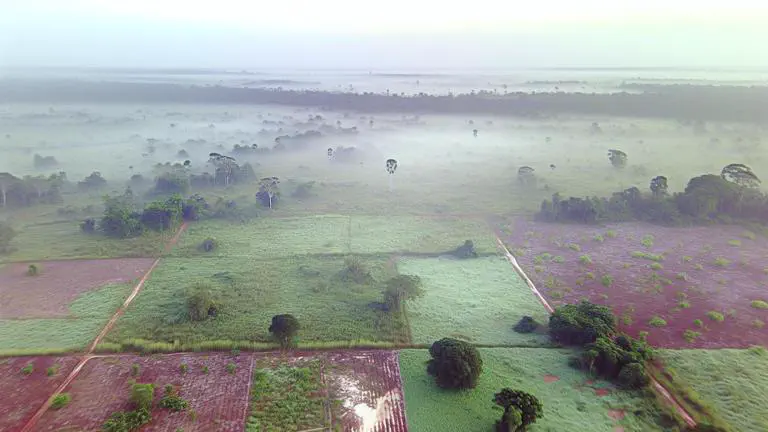
Cardamom cultivation in Colombia: optimal conditions by region
Cardamom cultivation in Colombia has sparked interest as a diversification alternative in coffee-growing and shaded areas. This technical guide focuses on climatic conditions, soil requirements and ideal zones by region, aimed at farmers and agricultural technicians who wish to start or improve their cardamom production in Colombia. Throughout the text, a practical approach is applied, supported by technical documentation and experiences recorded in the country and the region.
Executive summary
- Cardamom (Elettaria cardamomum) is a species that adapts well to shaded systems and can be integrated into agroforestry in coffee-growing regions of Colombia.
- It requires moderate tropical humidity and temperature conditions; production begins from the third year onwards, and the plantation can remain productive for between 10 and 15 years before renewal needs to be considered.
- Optimal soil should be fertile, with good organic matter content, good drainage and adequate CEC values; organic improvements (compost, bocashi, microorganisms) have shown positive effects on yield.
- In Colombia, initial experiences have been recorded in coffee-growing areas and in departments such as Quindío and other coffee-growing areas, with producers oriented towards specialty and organic markets.
1. Climate: requirements and recommendations
Cardamom cultivation in Colombia requires climatic conditions similar to those of other tropical shade crops:
- Temperature: cardamom develops in tropical climates with moderate temperatures; Colombian and regional technical literature places it in environments comparable to those of associated crops in mountain and tropical foothill areas.
- Rainfall and humidity: it needs constant ambient humidity and soils with moisture retention but good drainage; the practice of maintaining leaf litter and mulch cover favours the moisture available to the plants.
- Shade: the crop tolerates and benefits from partial shade; it tolerates up to approximately 60% shade, which allows it to be integrated into agroforestry systems and farms with tree cover. This facilitates its cultivation in already established coffee-growing areas.
Practical climate recommendations:
- Establish the crop in sites protected from frost and strong winds.
- Maintain vegetation cover and mulch to regulate microenvironment temperature and humidity.
2. Soil: ideal edaphological characteristics
The success of cardamom cultivation in Colombia largely depends on soil quality. The technical documents reviewed indicate the following edaphological requirements:
- Texture and structure: loamy to loamy-humic textured soils with good structure that allow drainage and water retention.
- Organic matter: organic matter levels between 3% and 6% are adequate; practices incorporating organic fertilisers (compost, bocashi) improve yields. Local studies observed significant increases in organic matter following organic applications.
- pH and acidity: soils with moderate pH and cation exchange capacity (CEC) in favourable ranges (reference values between 10–15 cmol(+)/kg for effective CEC) facilitate nutrient availability.
- Calcium, magnesium and potassium: calcium and potassium values in appropriate ranges favour growth; amendment with correctives and the application of organic fertilisers contribute to achieving optimal levels.
Soil management tips:
- Carry out soil analysis before establishment and apply correctives (lime, organic amendments) according to technical recommendations.
- Use liquid organic fertilisers and beneficial microorganisms (Trichoderma, Beauveria in permitted formulations) to improve structure and nutrient dynamics. Local studies show better yields with organic fertilisers and microorganisms.
3. Ideal zones by region in Colombia: recommendations and experiences
Experience recorded in Colombia indicates that cardamom cultivation in Colombia can be successfully established in coffee-growing areas and areas with established shade. Below are guidelines by type of region, based on local studies and experiences:
- Coffee-growing areas (Coffee Axis and surrounding areas): their climate and shade management make these regions a favourable setting for introducing cardamom; initiatives and field trials have already been documented highlighting compatibility with agroforestry systems.
- Departments with pilot experiences: in Colombia there are records of producers in Quindío, Antioquia, Huila, Cauca, among others, and other coffee-growing areas that have oriented production towards specialty and organic markets, using biological control practices and shade management.
- Areas with established tree cover: farms with natural shade or associated species (Inga spp. and other shade species) allow cardamom to be integrated into agroforestry designs, benefiting microclimate and biodiversity. The use of agroforestry facilitates income diversification.
Practical note: before selecting the plot, evaluate the microclimate, water access and soil quality through sampling and analysis. Cardamom performs well when the balance between shade, humidity and soil structure is respected.
4. Propagation, establishment and production calendar
Propagation:
- Reproduction by rhizomes and selection of healthy mother plants are recommended practices; rhizomes should be selected for vigour, presence of buds and health. Practical guides describe detailed procedures for establishing mother plantations from rhizomes.
Establishment and initial management:
- Establishment period: commercial seed production begins around the third year; during the first years, shade management, weed control and the application of amendments are key to ensuring vigorous establishment.
- Density and tasks: planting pattern design, land preparation work (clearing, hole digging) and shade management and replanting are recurring activities during the first year and subsequent years to ensure population and vigour. Cost guides include specific line items for these tasks.
Production cycle and renewal:
- Productive lifespan: local literature indicates that the plantation remains productive from the third year until between 12 and 15 years, at which point renewal is assessed.
5. Agronomic management: fertilisation, shade and weed management
Fertilisation and amendments:
- Practices with organic fertilisers (compost, bocashi) and the use of biofertilisers have shown yield increases in field studies; the inclusion of beneficial microorganisms and the application of organic matter are frequent recommendations.
- Carry out soil analysis to determine the need for correctives and mineral or organic fertilisation.
Shade and live shade management:
- Maintaining partial shade (up to 60%) with suitable species improves microclimate and plant protection; shade management should be uniform to avoid fluctuations in light and temperature that could affect development.
Weed control:
- Manual and cultural weed control and periodic cleaning are key tasks in the early years; the recommendation is to maintain practices that minimise competition and risks of hosts for pests.
6. Pests and diseases: a practical approach in Colombia
In Colombia, cardamom production is still in its early stages compared to other countries, so phytosanitary management relies on cultural practices and approved biological inputs:
- Thrips (Sciothrips cardamomi) and other insects: control in Colombia is based on sanitary pruning, elimination of hosts, sticky traps and the use of organic inputs such as neem, potassium soap and entomopathogens (Beauveria), prioritising management schemes that respect organic certifications when targeting that market.
- Regulations and residues: for export and quality marketing and sales, it is critical to monitor residues and adhere to ICA authorisations and registrations; furthermore, rotating active ingredients and using biocontrol help avoid rejections due to residues at destination.
Recommendation: establish an integrated pest management (IPM) plan adapted to your farm, prioritising cultural and biological measures, and consult the competent authorities before using plant protection products.
7. Harvest, quality and commercial classification
Cardamom quality classification (by size, colour, moisture and purity) defines its use and value in the market; there are commercial categories ranging from premium qualities (large pods, intense green colour, controlled moisture) to industrial qualities for grinding. Maintaining ideal moisture content (approx. 10–12% when dried) and avoiding residues is essential for demanding markets.
Organoleptic quality (aroma and colour) is linked to harvest and processing practices (timely drying, post-harvest management). For export markets, purity and the absence of contaminants are critical requirements.
8. Market, marketing and sales, and export from Colombia
Commercial situation and target markets:
- At regional and global level, Guatemala and India are leading references in production and trade; the main global import destinations include Gulf countries and other high-consumption markets. Certifications (organic, fair trade) and quality influence access to premium niches. Although Colombia is an emerging producer, local producers have oriented themselves towards specialty and organic markets.
Export requirements and practical recommendations:
- To export cardamom from Colombia, it is essential to comply with the phytosanitary regulations of both the country of origin and the destination market; controlling residues and registering or using permitted inputs is a recurring requirement in export protocols. In Colombia, any agrochemical must be authorised by the ICA, and producers must document practices that guarantee food safety.
- Obtaining quality certifications (organic, traceability) and preparing export documentation and compliance with standards will increase the possibility of accessing demanding markets, including the European Union, for which there are residue and traceability requirements that must be met. We recommend seeking technical and foreign trade advice for preparing the export guide from Colombia.
Prices and market segmentation (technical references):
- Cardamom’s commercial qualities (Extra Fancy, Fancy Green, Superior, Mixed, Industrial) mark ranges of use and value. Maintaining moisture levels and good post-harvest practices is decisive for classifying into higher qualities. Prices vary by quality and market; premium categories reach substantially higher values than industrial qualities.
9. Production costs and economic planning guide
Local documents provide cost guides for establishment and maintenance per hectare, with line items for land preparation, soil analysis, organic inputs, maintenance, harvest and packaging. These guides serve as a reference for drawing up budgets on farms in Colombia:
- Establishment expenses: land preparation, soil correction (lime), layout and planting, and the acquisition of inputs and tools constitute the largest part of the initial cost.
- Maintenance: recurring tasks include cleaning, weed control, organic applications, shade management and organic fumigation when necessary. Local guides detail labour days, inputs and unit costs useful for planning.
Financial recommendation: draw up budgets per hectare based on soil analyses, labour availability and access to organic inputs, and consider production scenarios from the third year onwards to assess profitability.
10. Designing a practical checklist before getting started
- Carry out a physical-chemical soil analysis and correct according to technical recommendations.
- Assess the availability of shade and water; design an agroforestry system if appropriate.
- Select healthy rhizomes or plant material and test them in pilot plots.
- Implement soil management with organic fertilisers (compost, bocashi) and beneficial microorganisms.
- Design an integrated pest management plan prioritising cultural and biological measures; verify ICA authorisations for inputs.
- Prepare a marketing and sales plan and export requirements if aiming for international markets; consider certifications.
Conclusion
Cardamom cultivation in Colombia presents real diversification opportunities, especially in coffee-growing areas and agroforestry systems with established shade. The key is to adjust agricultural practice to local climatic and edaphological conditions, prioritise organic and cultural management, and plan marketing and sales with a focus on quality and regulatory compliance. Local studies and experiences show that with organic management and properly amended soils, competitive yields and products oriented towards specialty markets can be obtained.
Learn how to start or improve your cultivation in Colombia.
Which area of your farm do you think you could establish a cardamom pilot plot in, and what resources (shade, water, labour) would you need to secure first?
About the author
Juan Pablo Toro López is an Agro-industrial Engineer (Universidad La Gran Colombia) with more than 15 years of experience in the food production chain: production, food safety, process standardisation and export requirements. He has been an agro-industry lecturer at SENA and at universities such as Universidad Andina and Fundación Universitaria San Martín, and a digital marketing and sales consultant for companies in the sector.