Introduction
Cardamom occupies a singular place among the world’s spices. In Colombia, its production, marketing and sales, and export aspirations have grown in recent decades; however, there is curiosity and debate about the real existence of cardamom in its wild state within the national territory. In this article we review the documented history, the available scientific evidence and the implications for the production and market of cardamom in Colombia, always drawing on technical records and national documents related to the cultivation and marketing of the crop.
Throughout the text we will incorporate key concepts for industry stakeholders: from producers and traders to the general public interested in the history, science and value chain of cardamom in Colombia.
1. Definition: what do we mean by “cardamom in its wild state”?
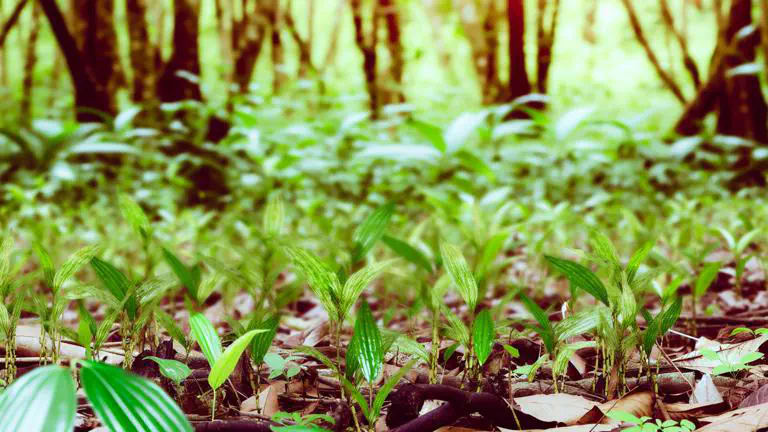
When we speak of “cardamom in its wild state” we are referring to populations of Elettaria (or other cardamom species) that grow without direct agricultural management, whether in forest remnants, roadsides or degraded areas where the plant has established itself spontaneously or has persisted historically. Distinguishing truly wild material from naturalised material (plants originating from old plantings that are now sustained without intervention) requires botanical evidence and, in some cases, genetic analysis.
The technical literature and sector guides in Colombia record genotype characterisation and multiplication work that allow local materials and their origin to be traced, which helps determine when a population is wild, naturalised or the product of old cultivation in the region.
2. History and documented background in Colombia
The presence of cardamom in Colombia has both technical and productive-trial antecedents. Phytogenetic research and local experiences have been reported by technicians and projects, including genotype characterisation and in vitro multiplication work in areas such as Jericó, Antioquia, and experiences in the Coffee Axis and Quindío.
In addition to research, there are initiatives recorded to strengthen production chains and analyses of international markets that contextualise the insertion of Colombian cardamom into global trade, which reinforces interest in identifying and conserving local genetic material, including possible wild or naturalised populations.
3. Scientific and technical evidence: what do the available documents say?
Technical documents and manuals on cardamom that have been developed for the region contain several relevant contributions:
There are protocols and practical guides for establishing mother banks and multiplication from rhizomes, with morphological and planting-material management parameters that serve for the characterisation and conservation of local genetic material.
Molecular characterisation and genotype selection work in Colombia has been documented, indicating scientific interest in identifying local diversity (and thereby being able to distinguish wild material from introduced or improved varieties).
Practical examples of organic management and mother banks on Quindío farms offer cases of material management and conservation that can guide the identification and management of wild cardamom when found in agricultural or semi-natural settings.
These technical references form the basis for stating that there is scientific and technical work in Colombia aimed at the identification, multiplication and management of cardamom, although confirmation of strictly wild populations requires specific botanical and genetic studies in each territory.
4. Where plants and projects have been reported: producing regions and experiences
The documents consulted record productive experience and projects in regions such as the Coffee Axis (Quindío) and Antioquia, with pilot farms, mother banks and marketing projects, and technical visits in areas around Armenia and Salento, for example, where productive experience is combined with promotion and training efforts for buyers and investors.
Additionally, selection work in Jericó (Antioquia) and other areas has been mentioned in characterisation reports, indicating the presence of materials in those territorial entities and the existence of local research on their management and improvement.
5. Differences between wild, naturalised and cultivated cardamom
- Wild cardamom: populations that grow without prolonged human intervention and that form part of the local spontaneous flora.
- Naturalised cardamom: plants originating from human dissemination (old plantings, escapes) that have established themselves without continuous management.
- Cultivated cardamom: plants established and intentionally managed through agricultural practices.
Technical documents on mother banks and rhizome multiplication make it possible to morphologically characterise material and detect variability that helps classify these categories in field studies; molecular characterisation also supports this distinction when carried out correctly.
6. Practical guide: how to identify quality wild cardamom in Colombia
For the general public and for technicians carrying out field visits, some criteria used in guides and manuals for evaluating material (both for mother banks and for collections) are useful when attempting to identify quality wild cardamom:
Observation of the rhizome: colour, firmness, presence of buds and absence of rot are practical criteria for assessing viable material; the guides describe type A rhizomes (2 or more active buds, light cream colour, firm texture) as indicative of good material for multiplication, a criterion that can also be applied to recognise material of interest in spontaneous populations.
Health and absence of pests/damage: visual inspection of leaves and flowers, together with examination of roots and rhizomes, is part of the technical evaluation before considering material for conservation or multiplication.
Ecological context: locating populations in vegetation remnants or in areas with favourable conditions (moderate shade, soils with organic matter, good drainage) helps characterise whether a population can be considered wild or naturalised; the guides emphasise the relationship between living soil and rhizome vigour as an indicator of material health.
It is important to highlight that, in order to scientifically declare that a population is “wild”, botanical inventories are required and, preferably, comparative genetic analyses with cultivated material or registered mother banks in the region.
7. Management and conservation: lessons from Colombian guides
The practical guides for establishing mother banks and managing rhizomes in Colombia propose selection, registration, treatment and renewal procedures for material that are applicable to the conservation of spontaneous or naturalised populations identified in the field. Some practical measures appearing in the documents are:
- Establishment of mother plantations with identification and registration of each plant to ensure genetic traceability and avoid the loss of valuable material.
- Monthly monitoring protocols with tracking sheets for sprouting, health and soil moisture, as part of mother bank management and to assess populations in field studies.
- Renewal of the mother bank every certain number of years to maintain vigour and genetic quality, a relevant principle if one wishes to conserve naturalised or wild material intended for commercial use.
These measures, documented in technical manuals, provide the practical basis for moving from identification to active conservation when wild cardamom is found in Colombia.
8. Production, costs and commercial decisions in Colombia
Cost studies and establishment guides include specific investment and maintenance line items per hectare, and are an essential reference for those analysing the economic viability of bringing material (including local material) into commercial production. The documents with cost guides include budgets for land preparation, soil analysis, inputs, maintenance and harvest, which allows producers to estimate investments and break-even points over different time horizons.
These technical and economic inputs are also useful for evaluating the responsible use of wild or naturalised material being considered for production: before scaling up, it is necessary to assess establishment, upkeep and sanitary management costs in line with the desired standards (for example, organic or conventional).
9. Market, export and relevant regulations
Colombia participates in a global market where cardamom is traded on the basis of quality, colour, size and aroma. International reports and trade documents analyse export and import flows that determine international demand for Colombian cardamom and the usual destination markets, such as Gulf countries, Europe and the United States; these analyses serve to design export strategies and positioning for the national product.
Regarding exports, technical and promotional documents highlight the importance of:
Understanding the requirements and regulations for exporting cardamom from Colombia, including phytosanitary standards and destination market requirements; this involves reviewing packaging specifications, quality and moisture levels for green or parchment cardamom, and certifications required to access markets such as the European Union or the US.
Obtaining the certifications necessary to export cardamom from Colombia: organic certifications, fair trade and other quality seals increase the product’s value in demanding markets and are part of the commercial strategy for cardamom for export from Colombia.
Having Colombian cardamom suppliers and/or wild cardamom suppliers in Colombia that meet traceability and quality standards to compete in international niches; commercial and project documentation records the need to develop formal, associative production chains to improve market access.
There are also general guides on packaging and markets that help design a guide for exporting green cardamom from Colombia to the EU, taking into account safety requirements and commercial documentation (phytosanitary certificates, invoices, certificates of origin and quality certifications) typically requested for shipments to the European Union and other demanding destinations.
10. Prices and international demand
Documents analysing international trade and production chains record price and demand variations that affect the profitability of the business. International demand for Colombian cardamom is influenced by product quality, certifications and suppliers’ ability to guarantee traceability and regulatory compliance. Market reports cited in the technical literature show that the main international buyers and trade volumes are determining factors for the country’s export strategy.
To find out current cardamom prices in Colombia, it is advisable to consult up-to-date market sources and chambers of commerce or sector associations, as prices vary according to presentation (green, parchment or ground cardamom), quality, certifications and marketing conditions.
11. Suppliers and the value chain: the role of technical visits and local projects
The promotion of Colombian cardamom includes engagement experiences with buyers and importers through technical visits to farms and production projects, showing everything from field management to processing and marketing. These visits allow national and international buyers to verify the existence and quality of the product, as well as to connect with Colombian cardamom suppliers and wild cardamom suppliers in Colombia, where applicable.
Projects and background work on production strengthening emphasise the need for associations, registries and training to consolidate production chains capable of meeting international demand with quality and sustainability standards.
12. Conclusions: Does wild cardamom exist in Colombia?
In light of the technical documentation and projects reviewed, it can be stated that:
There is research, genetic characterisation and production experience in Colombia documenting local material and management practices that allow for the identification and conservation of cardamom’s genetic diversity in the country; this opens up the possibility of identifying wild or naturalised populations through specific inventories and analyses.
The evidence available in the documents shows the existence of materials in regions such as Antioquia and the Coffee Axis (Quindío and surrounding areas) and the presence of establishment and management projects that, while not always confirming strictly “wild” populations, do guarantee the existence of spontaneous or naturalised material that can be studied and, where appropriate, conserved and used responsibly.
To scientifically declare the existence of cardamom in its wild state in a given area, botanical fieldwork is required and, preferably, comparative molecular studies. The guides and manuals available in Colombia provide tools for carrying out sampling, characterising rhizomes and establishing mother banks that facilitate this type of analysis and the traceability of material identified in the field.
13. Practical recommendations (history + applied science)
Carry out botanical inventories in areas with historical reports or indications of spontaneous presence, combining morphological evaluation with molecular characterisation where possible, drawing on local protocols and mother bank experiences.
If naturalised or potentially wild material of interest is detected, document its origin, location and sanitary status and consider conserving it in mother banks with detailed records (tracking sheets) before any commercial use.
For producers interested in turning local material into a commercial product, assess establishment and upkeep costs and meet the requirements and certifications needed to export cardamom from Colombia, so that entry into the international market is viable and complies with quality and traceability standards.
CTA
Discover the history of wild cardamom.
Closing question
Do you think that the study and conservation of local cardamom populations could open up new opportunities for added value and exports for Colombia’s rural communities?
About the author
Juan Pablo Toro López is an Agroindustrial Engineer (Universidad La Gran Colombia) with more than 15 years of experience in the food production chain: production, safety, process standardisation and export requirements. He has been an agroindustry lecturer at SENA and at universities such as Universidad Andina and Fundación Universitaria San Martín, and a digital marketing and sales consultant for companies in the sector.