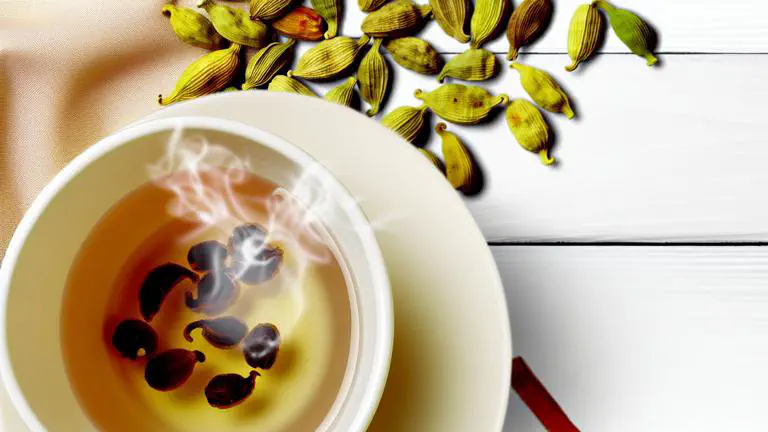
Cardamom vaporisations: benefits and preparation
The use of spices in natural remedies has a long tradition in many cultures. Among them, cardamom stands out for its characteristic aroma and its presence both in cooking and in folk phytotherapy. In this article we explore, in a practical and responsible way, how to incorporate cardamom for vaporisations into a wellness routine: what to expect, how to prepare them safely, and what factors to consider when buying cardamom in Colombia —including quality, suppliers and export aspects for those considering its marketing and sales.
Throughout the text, considerations on the production and certification of Colombian cardamom are included, supported by studies and technical documents describing the production chain and international markets for this spice, as well as practical recommendations for consumers interested in natural remedies and vaporisations.
What is cardamom and why is it used in vaporisations?
Cardamom is the seed contained in small aromatic pods. In its green form it is recognised for its intense fragrance, rich in volatile compounds that are released with heat or through essential oil extraction. These compounds make it ideal for aromatic applications and for domestic vaporisations (inhalation of steam with authorised herbs or oils).
In Colombia there are studies and technical guides on the cultivation and production of cardamom that highlight its quality in the region and post-harvest practices that impact the aroma and colour of the dried fruit; these documents are useful sources for those seeking high-quality, traceable cardamom in the country .
Benefits and traditional uses: a cautious approach
From the perspective of natural remedies and wellness, cardamom for vaporisations is used mainly for aromatic purposes and to relieve mild discomfort related to breathing and relaxation. It is important to clarify that the scientific evidence supporting specific therapeutic effects is limited and that vaporisations should be understood as complementary measures, not substitutes for medical treatment when this is necessary.
Among the most frequent uses in traditional practice and wellness consumption are:
- Aromatic use to promote a sense of calm and well-being.
- Homemade vaporisations to accompany mild decongestion processes, always with caution and avoiding temperatures or concentrations that could irritate sensitive airways.
- Use in diffusers and blends with other essences authorised by professional aromatherapy.
In Colombia, the marketing and sales of cardamom is also oriented towards markets that value quality and organic certification, which influences wellness consumer confidence when choosing a product for aromatic or vaporisation uses .
Safety and precautions before preparing a vaporisation
Before preparing any vaporisation with cardamom, the following should be taken into account:
- Avoid hot vaporisations for infants, the elderly or people with chronic respiratory conditions (severe asthma, COPD) without consulting a health professional.
- Do not use essential oils directly on the skin without dilution and without knowing the origin and purity grade of the oil.
- For use in electronic devices (vapes), it is not recommended to attempt to directly convert dry ingredients or food-grade oils into homemade e-liquids; the formulation of vaporiser liquids requires safety, purity and regulatory compliance controls. If seeking cardamom for vaporisers, purchase products formulated and sold by specialised, certified suppliers in Colombia and in your destination market to avoid risks.
- If you experience irritation, persistent cough or allergic reaction, discontinue use and consult a professional.
How to prepare cardamom vaporisations: safe and effective recipes
Below are simple methods, designed for wellness consumers who wish to incorporate cardamom into domestic vaporisations sensibly.
1) Basic vaporisation with cardamom pods (hot water method)
Ingredients and materials:
- 6–8 green cardamom pods, lightly crushed (not powdered).
- 1 litre of water.
- Heat-resistant container.
- Towel to cover the head (optional) to prevent steam dispersion.
Procedure:
- Boil the water in the container.
- Add the crushed cardamom pods to the boiling water and remove from heat.
- With the container on a stable surface, cover your head with the towel, forming a space to inhale the steam, and maintain a safe distance (avoid direct contact with the hot water).
- Inhale gently for 5–10 minutes if the reaction is comfortable; avoid prolonged sessions if you feel burning or discomfort.
Safety tips: always maintain a prudent distance to avoid burns; do not carry out this procedure in the presence of children without strict adult supervision.
2) Diffusion with cardamom essential oil (use in electric diffusers)
If you have certified cardamom essential oil (aromatherapy grade), you can use it in an electric diffuser following the manufacturer’s instructions: typically 3–6 drops in the water tank of a diffuser for a medium-sized room. This method avoids exposure to hot steam and tends to be preferred in relaxation settings.
Important: choose certified oils from suppliers with traceability. In Colombia there are producers and traders who indicate certifications and post-harvest processes that favour the aroma and purity of the fruit, which is relevant for aromatic applications .
3) Combined vaporisation (cardamom with other permitted herbs)
For those seeking a more complex aromatic experience, cardamom can be combined with ingredients commonly used in aromatherapy —always respecting doses and safety— such as mint or eucalyptus (check individual tolerance). In a blend with cardamom pod and mint leaves, for example, a fresh, aromatic sensation can be achieved that complements the experience.
Precautions regarding use in electronic vaporisers and commercial products
In searches for terms such as “cardamom for vape Colombia” or “cardamom for vaporisers Colombia,” many consumers look for aromatic alternatives in electronic devices. It is important to differentiate:
- Hot water vaporisations or diffusion of certified essential oils are traditional, domestic practices with manageable risks when carried out with care.
- E-liquids for vaping require formulations, quality controls and regulatory compliance. It is not recommended to make homemade e-liquids from powder or food-grade oils without the corresponding technical validation. For commercial products, verify that suppliers and manufacturers offer certifications, laboratory tests and compliance with the destination market’s regulations.
To find reliable suppliers in Colombia, request information on quality and certifications: organic certification or other traceability guarantees increase confidence (bodies such as USDA Organic, EU Organic or other equivalencies are recognised in demanding markets) .
Buying cardamom in Colombia: quality, prices and suppliers
If your interest is to use cardamom for vaporisations or for aromatic applications, consider the following factors when looking to buy cardamom in Colombia:
- Origin and traceability of the batch: the harvest date and post-harvest handling influence aroma and colour; technical documents on handling and drying describe good post-harvest practices that affect the quality of green cardamom .
- Certifications and laboratory analyses: organic certificates and residue reports generate confidence for aromatic and industrial uses .
- Prices: prices vary according to quality, certification and destination market; in international markets, organic cardamom can reach higher values than conventional cardamom, with ranges reported in various studies and market analyses (for example, indicative prices have been reported that vary depending on quality and certification) .
- Suppliers and traders: within Colombia there are suppliers that serve both the local consumption market and exports; if your interest is to find suppliers of cardamom for vaporisers in Colombia, request technical specifications, certificates and business references to ensure the product’s suitability.
International demand for cardamom is significant, and global trade volumes show the presence of diverse markets; knowing this data is useful for buyers and entrepreneurs considering the sale or export of cardamom from Colombia .
Export aspects and market opportunities (practical summary)
For companies or entrepreneurs interested in how to export cardamom from Colombia, here are general considerations based on technical documentation and market experience:
- Certifications required by destination markets: markets such as the United States and the European Union require documentation and, in the case of organic products, specific certifications attesting to cultivation practices and the absence of prohibited residues .
- Phytosanitary regulations: there are health and phytosanitary requirements that must be met for export; it is advisable to work with competent authorities and export consultants familiar with the destination market’s requirements (for example, the United States or EU countries) .
- Logistics: post-harvest handling, drying and packaging are critical to preserving aroma and quality; efficient logistics reduce the time between harvest and marketing and sales, an advantage highlighted by traders seeking superior quality in Colombian cardamom .
- Target markets: although the main global importers have historically been countries in the Middle East, the US and the EU, there are also niches and opportunities in Latin America for high-quality cardamom; assessing demand in LATAM can be part of a regional business strategy .
If you need detailed information on specific requirements such as “how to export cardamom from Colombia to the United States” or specific phytosanitary regulations, it is appropriate to consult official bodies and foreign trade agents who are familiar with the regulations in force for 2025 for each destination .
Quality of Colombian cardamom: relevant certifications and practices
The perception of cardamom quality is based on several factors: colour (green cardamom is valued for its freshness), intense aroma and post-harvest handling that preserves essential oils. Technical documents and management guides in Colombia and the region emphasise drying practices, rhizome management and pest control that impact the final quality of the fruit, and consequently its suitability for aromatic and vaporisation uses .
In addition, obtaining organic or fair trade certifications can facilitate access to markets that demand high standards of quality and sustainability .
From the farm to the vaporiser: steps to ensure quality in aromatic uses
If your intention is to use cardamom for vaporisations, consider a value chain that guarantees quality:
- Selection of raw material: green cardamom with consistent colour and aroma.
- Proper post-harvest handling and drying: rapid, controlled drying helps preserve the aroma; technical guides and manuals point out recommended practices on this point .
- Certifications and analyses: request certificates and laboratory analyses to ensure the absence of contaminants and residues (especially if the use is aromatic or sensory) .
- Reliable supplier: work with cardamom suppliers in Colombia that offer traceability and clear commercial documentation. Business opportunity documents in Colombia show client interest and demand that support the existence of established commercial channels .
Final recommendations for wellness consumers
- If you are looking for cardamom for vaporisations, prefer high-quality green cardamom and, when possible, products with certification or analysis supporting their aromatic use.
- For homemade vaporisations, use safe methods: steam inhalation at a prudent distance, or electric diffusers with certified essential oils.
- Do not convert food ingredients into homemade e-liquids without proper formulation and controls; for electronic vaporisers, turn to products formulated by responsible manufacturers.
- If your goal is to start a business in the cardamom value chain (production, sale or export), find out about export requirements, phytosanitary regulations and certifications demanded by international markets; the technical and market documentation available for Colombia provides a solid basis for designing a business strategy .
With these guidelines, you can incorporate cardamom for vaporisations in an informed and safe manner into a natural remedies routine focused on well-being. The choice of raw material, the vaporisation method and respect for personal safety are key to a positive experience.
Find out how to use vaporisations to relieve symptoms.
Have you ever tried a cardamom vaporisation, and what sensations did it bring to your wellness practice?
About the author
Juan Pablo Toro López is an Agro-industrial Engineer (Universidad La Gran Colombia) with more than 15 years of experience in the food production chain: production, food safety, process standardisation and export requirements. He has been an agro-industry lecturer at SENA and at universities such as Universidad Andina and Fundación Universitaria San Martín, and a digital marketing and sales consultant for companies in the sector.