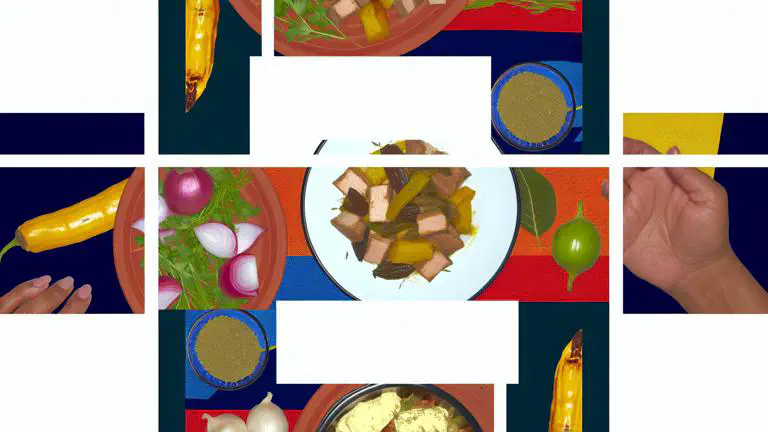
Cardamom recipes: Colombian flavours with an exotic touch
Cardamom is an aromatic spice that, when used well, lends fragrant, warm notes to desserts and beverages. In this practical article you will find real, easy-to-prepare cardamom recipes, designed for foodies, chefs and homemakers who wish to incorporate cardamom into Colombian gastronomy and into recipes with cardamom and Latin American spices.
Below you will find clear instructions, techniques of use and tips drawn from technical guides and booklets documenting cardamom recipes and procedures, as well as notes on demand and supply from Colombia for those seeking cardamom suppliers in Colombia for chefs or wishing to understand cardamom markets in Latin America from Colombia. For specific recipes and culinary techniques we have used traditional recipes recorded in practical cardamom preparation guides.
Table of contents
- What to expect from this article
- A brief note on cardamom in the kitchen
- Basic techniques: how to use cardamom in Colombian recipes
- Cardamom recipes (with real instructions)
- Cardamom sweet
- Cardamom granola
- Cardamom atol
- Ideas and variations: easy cardamom recipes and green cardamom recipes
- Cardamom in beverages and spiced blends (chai and similar)
- Supply and markets (where to buy cardamom in Colombia for gastronomy, suppliers and export)
- Final tips for chefs and homemakers
- CTA and closing
What to expect from this article
This text offers practical recipes, preparation techniques and basic guidance on cardamom sources in Colombia. It focuses on showing real, proven culinary uses, with recipes taken from a practical cardamom recipe-preparation booklet, and references on production and local markets gathered from technical documents.
A brief note on cardamom in the kitchen
In the recipes presented, cardamom seed is used (husked or in the pod, depending on the preparation). Practical guides describe techniques for infusing the seeds in liquids (milk or water) and the option of straining the seeds once the liquid has absorbed the aroma, or leaving them in to intensify the flavour according to preference. Light roasting processes are also recommended in some preparations to enhance the aroma before grinding or adding directly. These indications are based on procedures documented in cardamom recipe manuals.
Basic techniques: how to use cardamom in Colombian recipes
Using whole or husked seeds: many recipes recommend using husked seeds to facilitate the release of aroma; others recommend infusing whole pods and straining afterwards. This practice appears explicitly in recipes described in preparation booklets.
Infusions in liquids: when cardamom is added to milk, water or broths, the liquid is brought to the boil with the seeds or pods and cooked for a few minutes to extract the aroma; it can then be strained. This method is used in traditional preparations and is detailed in the same guides.
Roasting and grinding: lightly roasting the seeds and then grinding them increases aromatic intensity; the booklet recommends roasting dry ingredients separately when necessary (for example, in granolas).
Reference quantities: the booklet’s recipes include specific measures (for example, 5 seeds in a milk-based preparation or 1/4 teaspoon of husked seed in a granola), which serve as a reliable starting point for easy cardamom recipes.
Cardamom recipes (with real instructions)
Below are recipes and procedures reproduced as they appear in the practical booklet that documents cardamom preparations. These recipes illustrate uses of cardamom in cooking, with special focus on cardamom recipes for Colombian desserts and traditional beverages.
Cardamom sweet
Ingredients
- 1/2 cup milk
- 1 tablespoon brown sugar
- 1 teaspoon vanilla
- 5 cardamom seeds
Method
- Heat the milk over medium heat. Add the brown sugar and dissolve.
- When it begins to boil, add the vanilla and the 5 cardamom seeds.
- Cook over medium heat for a further 5 minutes or until the mixture reduces slightly.
- If desired, strain to remove the seeds; it is also possible to leave the seeds in to accentuate flavour and aroma. Serve hot or cold according to preference.
Note: This recipe is an example of cardamom recipes for Colombian desserts as documented in the preparation booklet.
Cardamom granola
Ingredients
- 1/2 cup oats
- 1/3 cup almond
- 1/4 cup grated coconut
- 1/3 cup raisins
- 1/2 cup honey
- 1/4 cup water
- 2 cinnamon sticks
- 1/4 teaspoon husked cardamom seed
Method
- Toast the oats, coconut, almond and cardamom seed separately for ~5 minutes over low heat.
- Prepare the honey mixture with sugar, water and cinnamon until the desired point is reached (the booklet describes testing a drop of honey in water to assess the point).
- Mix the toasted ingredients with the warm honey and raisins. Spread on a tray and let cool. Pack in airtight jars.
Tip: using 1/4 teaspoon of husked cardamom gives an aromatic touch without overpowering the mixture; it is a practical alternative for green cardamom recipes or husked seeds.
Cardamom atol
Ingredients
- 2 cups water
- 1 teaspoon husked cardamom seed
- 3 cinnamon sticks
- 125 g chocolate
- 2 cups milk
- 1/2 lb sugar
- 4 tablespoons cornstarch
Method
- Place the water with the cardamom seeds and cinnamon over heat. When it begins to boil, lower the heat and cook for 8 minutes. Strain and remove the seeds.
- Add chocolate, milk, sugar and cornstarch dissolved in a little liquid; cook until the desired consistency is obtained. Serve hot.
This documented version of the atol illustrates how to infuse cardamom in liquids for traditional beverages, using the straining technique after aromatic extraction.
Ideas and variations: easy cardamom recipes and green cardamom recipes
The recipes above offer clear starting points for exploring other easy cardamom recipes. Based on the techniques described (infusion, roasting, straining), simple variations can be tried:
- Adjust the quantity of seeds to intensify or soften the aroma (following the reference measures presented in the recipes).
- Substitute part of the sugar with honey in milk-based sweets or in the granola, respecting the heating technique and honey point described in the booklet.
These adaptations preserve the technical nature of the original recipes and allow for experimentation without altering the basic processes documented in the guide.
Cardamom in beverages and spiced blends (chai and similar)
In spiced tea preparations and chai-type blends, cardamom is often combined with cinnamon, clove and ginger. Documents studying commercial blends and preparation practices describe cardamom as a common ingredient in chai blends in Latin America, where it is adapted to local preferences alongside other spices. These references support its use in hot beverages and in blends for cafés or signature cuisine.
Supply and markets: where to buy cardamom in Colombia for gastronomy, suppliers and export
If you work as a chef, lead a food business, or need a constant supply of premium spices, finding reliable cardamom suppliers in Colombia is key to ensuring flavour, freshness and quality in your preparations. Colombia is positioning itself as an emerging country in cardamom production thanks to its climate, soils and sustainable agricultural practices. This has generated interest both among local buyers — restaurants, cafés, artisanal bakeries and food brands — and among international customers, especially in markets such as Canada, the United States, the Middle East, and Arab and Hindu communities.
🛒 Where to buy cardamom in Colombia? Today there are several formal channels and suppliers where you can acquire cardamom in different forms (green pod, seed, ground, drip bags, plant material, etc.). One of the most recommended is: 👉 Cardamomo Colombia — https://cardamomocolombia.com/ A supplier specialising in Colombian cardamom with:
- Presentations for gastronomy, pastry-making and beverages.
- Retail and wholesale purchasing options.
- Plant material and technical advice for those wishing to cultivate.
- Reliable information for those looking to buy green cardamom in Colombia for export.
- Domestic shipping and contacts for international buyers. This type of supplier allows chefs and businesses to maintain a stable supply with direct traceability from producing farms in the Coffee Region (Eje Cafetero) and other cardamom-growing regions.
Practical tips on where to buy and how to choose suppliers
Contact local centres and projects working with cardamom: background on cardamom projects in Colombia records commercial contacts and supply experiences that can guide the search for reliable suppliers for gastronomy.
Check the presentation: cardamom is usually marketed as pods and as husked seed; for cooking it is common to use husked seeds or the pod for infusing and straining depending on the recipe. Culinary guides containing recipes show both presentations in use.
For bulk purchases (restaurants or industries), check prices and logistical requirements with specialised suppliers and request details on harvest and drying times, since freshness and drying influence aroma and colour, as shown by technical production documents.
Final tips for chefs and homemakers
Start with small quantities: following the recipes’ reference measures (for example, 1/4 teaspoon in granola or 5 seeds in milk-based preparations) allows you to adjust the aromatic profile without risking the recipe.
Roast and grind when greater intensity is desired: lightly roasting the seeds and crushing them before adding them to dry mixtures enhances the aroma, a technique used in the documented recipes.
Infuse and strain for a clean texture: in beverages and liquid desserts, infusing and straining avoids grains in the final texture, as recommended in the atol and cardamom sweet procedures.
Combine with complementary spices: cinnamon and clove are common combinations in Latin American blends and in chai; these pairings appear in blend studies and in the recipe booklet.
Resources and market considerations (brief)
If you are also interested in commercial opportunities, sector documents show that international cardamom trade is active and that traditional importers exist in markets such as the Middle East, the US and Europe; this may be relevant for those researching cardamom cultivation in Colombia for export or seeking a guide to exporting cardamom from Colombia. For detailed figures and export routes, it is advisable to consult trade studies and the competent foreign trade authorities.
Background from local projects and studies gathers experiences of Colombian entrepreneurs who have managed international orders and business contacts, confirming buyer interest in Colombian product and providing clues on where to buy cardamom in Colombia for gastronomy.
Final invitation
If you enjoyed these cardamom recipes and want to delve deeper into more cardamom recipes for Colombian desserts, beverages and savoury preparations adapted for professional cooking, download our complete recipe book.
Download our complete cardamom recipe book.
Which of these cardamom recipes will you try first in your kitchen, and what variation would you like to share with other chefs or with your family?
About the author
Juan Pablo Toro López is an Agroindustrial Engineer (Universidad La Gran Colombia) with more than 15 years of experience in the food production chain: production, food safety, process standardisation and export requirements. He has been an agroindustry lecturer at SENA and at universities such as Universidad Andina and Fundación Universitaria San Martín, and a digital marketing and sales consultant for companies in the sector.