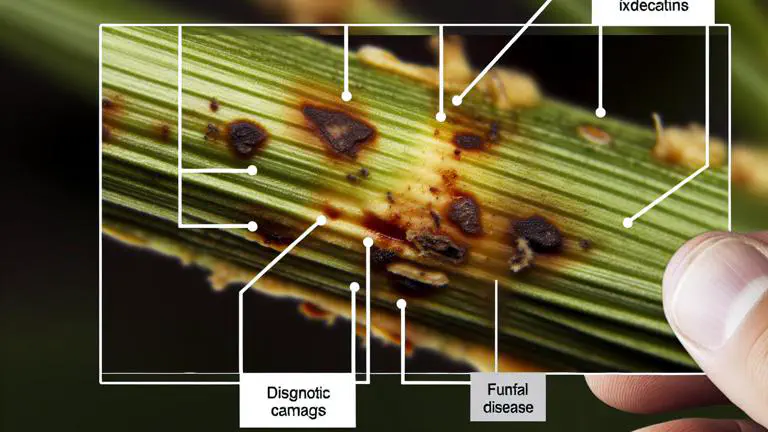
Pests and diseases of cardamom in Colombia: identification and control
Health management in cardamom plantations is an essential component for ensuring productivity and market access, especially when production is oriented towards export niches. This guide, aimed at technical growers, addresses on-farm diagnosis, descriptions of relevant pests and diseases, and a set of integrated management practices, with particular emphasis on biological, cultural and phytosanitary tools suited to the Colombian context.
Table of contents
- Introduction and scope
- Common pests and their identification
- Main diseases and on-farm diagnosis
- Principles of integrated pest and disease management
- Cultural and biosecurity strategies
- Biological control: documented options
- Phytosanitary products and fungicides: documented observations and recommendations
- Phytosanitary requirements for export and traceability
- On-farm monitoring and technical records
- Conclusions and call to action
- Frequently asked questions
Introduction and scope
This document focuses on the integrated management of cardamom pests and diseases in Colombia, offering practical guidance for technicians and growers managing cardamom plantations for commercial purposes. The recommendations and options described are drawn from technical guides and studies on the crop in the region and in producing countries, as well as compilations of management and control measures that have shown efficacy in trials and field practices .
Special attention is given to: how to prevent cardamom pests in Colombia; a disease guide for Colombian cardamom growers; integrated pest management in cardamom in Colombia; biological control of cardamom pests in Colombia; and phytosanitary requirements for exporting cardamom from Colombia, integrating practical and traceability aspects for international markets .
Common pests and their identification
Below are the pests most frequently documented in cardamom plantations in the region and the manifestations that should be observed during technical inspections:
Thrips (Sciothrips cardamomi): cause scarring on leaves, damage to flowers and grain formation; this is a key pest in cardamom and its management has been the subject of numerous biological and chemical control studies .
Defoliators and “zompopos” (leafcutter ants): insects causing loss of leaf tissue and tunnelling; their presence may require mechanical and biological measures when significant colonies become established .
Mealybugs and associated root pests: mealybugs can inhabit roots and multiply alongside nematodes; combined treatment is recommended when their incidence is higher .
Nematodes: stem and root nematodes have been reported affecting vigour and predisposing plants to rot; some technical documents mention preventive treatments and cultural practices to minimise their impact .
It is important that field diagnosis be systematic: recording symptoms, locating spatial patterns within the plot, and collecting samples when necessary for specific laboratory identification .
Main diseases and on-farm diagnosis
Among the diseases linked to yield and quality losses in cardamom, the following stand out:
Rhizome and clump rots: these manifest as foliar chlorosis, early fruit drop and reduced sprouting; in severe cases, removal and elimination of affected plants and disinfection of the affected area is recommended .
Mosaics and foliar diseases of viral or physiological origin: early detection is critical because they affect sprouting and fruit quality; preventive control includes vector management where applicable and quarantine measures for mother plants and propagation material .
For diagnosing cardamom diseases on Colombian farms, it is recommended to combine direct observation (record sheets and logs), sampling of affected plants and, where necessary, laboratory analysis; the use of monthly monitoring record sheets facilitates trend identification and timely decision-making .
Principles of integrated pest and disease management (IPM)
Integrated management (Strategic focus: Integrated management) involves combining preventive, cultural, biological and phytosanitary measures with technical and economic criteria. Key principles:
- Prevention and constant vigilance through sampling and field record sheets, to detect damage thresholds and act in time .
- Favouring local biological control through the use of entomopathogens and measures that do not destroy natural enemies .
- Applying phytosanitary products only when risk assessment and regulations permit, prioritising inputs with low residue persistence when the crop is destined for markets with strict maximum residue limits (MRLs) .
- Recording all applications, input batches and post-harvest management to comply with traceability and export requirements .
These foundations enable management that minimises environmental impacts and facilitates compliance with international market requirements for exporting Colombian cardamom .
Cultural and biosecurity strategies
Cultural practices are the first line of defence in preventing cardamom pests and diseases. Documented measures include:
Removal and management of residues and weeds around plants to reduce alternate hosts; controlled burning or removal of crop debris where appropriate, according to local technical recommendations .
Improving soil drainage and managing shade to reduce conditions favourable to rhizome rot; incorporating organic matter can improve soil structure and plant resilience, according to agronomic guides .
Using mother plants and disease-free material to establish new plantings; disinfecting tools and planting areas (for example, with lime and ash according to traditional protocols) has been documented as part of preventive practices .
Biosecurity measures for cardamom crops in Latin America: maintaining traceability of propagation material, controlling access to nurseries and mother plant banks, and keeping records of treatments and plant movements to minimise the risk of pathogen spread .
These actions also help meet biosecurity and phytosanitary requirements demanded by international markets for cardamom exports from Colombia .
Biological control: documented options
Biological control is a central tool within integrated management, and several technical sources support its use in cardamom:
Entomopathogenic fungi: Beauveria bassiana and Metarhizium anisopliae are mentioned as useful agents against defoliators and other sucking insects; their application targeted at the base of the plant and pest refuge areas has shown efficacy in production systems .
Entomopathogenic nematodes: Steinernema carpocapsae is used as a biocontrol agent against soil pests and larvae associated with the rhizome; applications should be timed to the months of greatest activity of the target insect, based on local monitoring .
Recent microorganisms: research on thrips has yielded formulations based on Lecanicillium psalliotae and other fungi which, mixed with organic fertiliser, reduce reliance on chemicals and contribute to crop vigour in regional trials .
Botanical extracts and oils: neem oil, combined formulations (e.g. neem + pongamia) and botanical pyrethrins have been used in trials as tools permitted in organic farming to reduce thrips and other insect infestations without leaving persistent residues in pods .
Biological control of cardamom pests in Colombia must be integrated with cultural practices and monitoring: it is recommended to rotate and combine agents to prevent resistance and maintain natural enemy populations .
Phytosanitary products and fungicides: documented observations and recommendations
In contexts where the use of phytosanitary products is necessary, available documentation emphasises caution in selection and regulatory compliance:
Responsible use: in Colombia, cardamom production tends towards speciality and organic markets; some synthetic inputs used in other countries do not have formulations specifically registered for cardamom in Colombia, so their use must be subject to ICA authorisation and to the residue standards of the destination export market .
Fungicides and curative treatments: for severe rhizome rot, documented measures combine improved drainage with local applications of copper mixtures with antibiotics at the base of the plant, in addition to removal of affected plants and plot disinfection with 5% formalin in extreme cases; these practices must be applied by technicians and with consideration for residues and operational safety .
Recommended fungicides for cardamom in Colombia: the guides consulted record the use of natural or low-impact fungicides and, in specific cases, applications of copper compounds combined with locally used antibiotics as part of management programmes, always assessing compatibility with market requirements and organic certifications where applicable .
Rotation of active ingredients and residue control: studies on thrips and other pest management underline the importance of rotating ingredients to avoid control failures and of monitoring residues, given that export markets apply strict maximum residue limits (MRLs) that can lead to rejections if pesticide presence in the final product is not controlled .
In summary, the use of phytosanitary products must be assessed case by case, prioritising authorised bioproducts, low-impact fungicides, and compliance with phytosanitary regulations for export .
Phytosanitary requirements for export and traceability
Accessing international markets with Colombian cardamom requires compliance with phytosanitary and traceability requirements. Key elements include:
Certifications and documentation: organic certification or compliance with market standards (e.g. EU Organic, USDA Organic, JAS) require documentation on production processes, pest control and the use of approved inputs; this includes records demonstrating the absence of prohibited pesticides and post-harvest management procedures .
Application and input records: maintaining periodic record sheets for the mother plant bank, monthly monitoring and applications enables compliance to be demonstrated during audits and facilitates identification of phytosanitary problems on the farm .
Residue control: for crops destined for export, it is critical to choose management strategies that minimise residues in pods; the use of biocontrol and botanical extracts helps reduce the risk of non-compliance with maximum residue limits at destination .
Phytosanitary requirements for exporting cardamom from Colombia include batch inspection and certification, compliance with packaging and transport standards, and the ability to trace origin and agronomic practices according to buyer demand and the importing country’s regulations .
On-farm monitoring and technical records
An effective monitoring and field diagnosis programme should include:
Monthly monitoring record sheets for the mother plant bank and commercial plots to record weather, cultural operations, signs of pests or diseases, and applications carried out. This type of format is widely recommended in practical guides for growers .
Specific monitoring for thrips and defoliators: sticky traps and foliar sampling during critical flowering and grain formation periods help detect populations before they cause significant losses; records also allow evaluation of the efficacy of biocontrol agents applied .
Sampling protocols for disease diagnosis: when symptoms of rot or mosaics are identified, collecting representative samples and recording date, batch and environmental conditions facilitates interpretation and technical decision-making .
Inventory of phytosanitary inputs and bioproducts: keeping track of batches of Beauveria, Metarhizium, Trichoderma and other bioinputs, as considered in budgets and management plans, supports traceability and the crop’s economic management .
Practical cases and considerations for Colombia
Adaptation to organic markets: cardamom production in Colombia tends to be oriented towards speciality and organic markets; therefore, the adoption of biological control, botanical extracts and cultural practices is consistent with certification requirements and with the absence of specific registrations for certain insecticides for cardamom in Colombia .
Technology integration: combining entomopathogens with improved soil and drainage management, and maintaining healthy mother plant banks, helps reduce health risks and sustain fruit quality for export .
Technical training: implementing integrated management requires that technical staff and growers understand thresholds, identify beneficial agents and apply record-keeping practices; the record sheets and formats recommended in practical manuals are useful tools for on-farm decision-making .
Conclusions and recommendations for the field technician
- Prioritise prevention: keep propagation material healthy, improve drainage, and design cleaning and disinfection routines for tools and planting areas .
- Implement a robust monitoring programme: use monthly record sheets and sampling traps to detect thrips and other insects at early stages .
- Favour biological control: integrate Beauveria, Metarhizium, Steinernema and botanical extracts (neem, pongamia) as part of management to reduce reliance on chemicals and residue risks .
- Evaluate the use of phytosanitary products with technical and regulatory judgement: when required, prefer products authorised for the context and compliant with the residue limits of target markets; always document applications .
- Maintain traceability and continuous records: this facilitates certification audits and reduces risks in the export of Colombian cardamom .
Call to action
Find out how to protect your crop effectively.
What health challenges are you currently observing in your plots, and what integrated management practices have you tried so far to control them?
About the author
Juan Pablo Toro López is an Agroindustrial Engineer (Universidad La Gran Colombia) with more than 15 years of experience in the food production chain: production, food safety, process standardisation and export requirements. He has taught agribusiness at SENA and at universities such as Universidad Andina and Fundación Universitaria San Martín, and has worked as a digital marketing and sales advisor for companies in the sector.