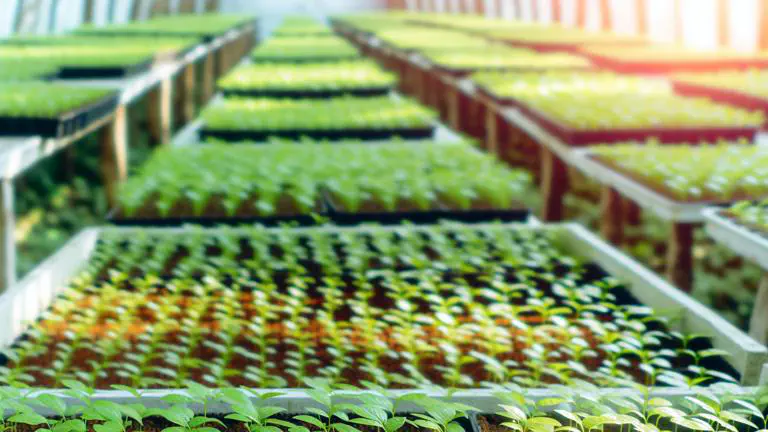
How to start a cardamom nursery step by step
Brief introduction
Starting a cardamom nursery is a strategic decision for any new farmer who wants to control genetic quality, the health of plant material and reduce costs in the medium term. In this practical guide we examine, with a focus on reproduction by seed and by rhizome, the essential steps to design, set up and operate a nursery in Colombia, as well as relevant economic and market considerations for the region. The technical information on rhizome management comes from documented protocols and monitoring formats applied on mother plantations.
Table of contents
- Why create a cardamom nursery
- Strategic decision: seed vs rhizome (summary)
- Requirements for starting a cardamom nursery in Colombia
- Nursery design and location
- Materials and substrate preparation
- Reproduction by rhizome: step-by-step protocol
- Reproduction by seed: considerations and sources (summary)
- Health management and recommended bioinputs
- Schedule and care during the first year
- Estimated initial investment and establishment costs
- Market, export and basic permits to consider
- Where to buy plants or material (options and recommendations)
- Final tips and common mistakes
Why create a cardamom nursery
A well-designed nursery allows you to:
- Control the quality and traceability of planting material.
- Speed up the availability of plants to establish or restock farms.
- Reduce dependence on external suppliers and their health-status variations.
- Generate a productive asset (mother bank) that, with management, produces rhizomes to expand the plantation.
These advantages mean that, for new producers, learning how to start a cardamom nursery is an investment in productive autonomy.
Strategic decision: seed vs rhizome
Reproduction by rhizome: a widely documented technique in practical manuals for cardamom. The rhizome contains reserves and buds, which allows plants to be multiplied predictably and with high success rates when extraction, disinfection, curing and planting protocols are applied. Many manuals recommend starting with a mother bank (e.g.: 500 rhizomes) for controlled scaling up.
Reproduction by seed: this is included as an option in cultivation guides (propagation and planting section) but requires different practices (fruit collection, seed extraction, treatment and germination management); in the documents consulted, this route is described at a framework level (propagation and planting), so it is recommended to approach it with technical advice if you intend to implement it as the main method.
Summary: for new farmers and those seeking predictable and fast results in plant availability, reproduction by rhizome is the priority strategy and the best documented in the technical materials consulted.
Requirements for starting a cardamom nursery in Colombia
Key points to check before starting:
- Soil: good drainage, presence of organic matter and suitable texture (avoid waterlogging). The soil and climate requirements are described in the technical crop guides.
- Shade: filtered shade between 40–60% favours the establishment of the mother bank; it is recommended to use living shade (compatible local species) or netting that provides uniform shade.
- Accessibility and protection: an area protected from livestock access and with access to manual or distributed irrigation for efficient management.
- Recommended space for an initial mother bank: 1,000–1,500 m² for 500 mother plants, which facilitates monitoring and health management.
- Records and traceability: formats for plant records, rhizome extraction and monthly monitoring are suggested as standard practice.
These requirements are the basis for any investment plan or request for cardamom cultivation advice.
Nursery design and location
Essential design elements:
- Zones: mother bank area (mother plants), beds or pots for germination/recovery, rhizome washing and curing area, and space for input storage.
- Layout: planting beds with a recommended width of 1 m, height of 25–30 cm and aisles of 0.5–1 m between beds for circulation and drainage.
- Shade: filtered shade 40–60%; compatible local species or netting structures can be used. Avoid exposing recently divided material to direct sunlight.
A good bed layout and workflow diagram makes the operation more efficient: selection → disinfection → curing → planting → irrigation → health control.
Materials and substrate preparation
- Base substrate: mixtures rich in organic matter, well aerated and with good drainage. The guides recommend mature compost and organic material to improve soil structure.
- Containers and beds: raised beds, pots or aerated plastic bags for small nurseries. Keep the bed free of weeds and covered with organic mulch to retain moisture.
- Tools: sharp, sanitisable shovels, knives or machetes; gloves, aerated baskets and clean surfaces for curing. Maintain a consistent cleaning protocol.
Reproduction by rhizome: step-by-step protocol
Below is a practical protocol, based on technical manuals, for reproducing cardamom by rhizome in a nursery.
- Selection of mother material
- Choose vigorous mother plants, with a productive history and no symptoms of pests or diseases. Keep identification records for each plant (code, planting date, origin, altitude, leaf colour, vigour).
- Ideal time to divide rhizomes
- Division should be carried out during the post-harvest dormancy phase; in Colombia this period usually coincides with the end of the rainy season or the start of the dry season. Indicators: dry lower leaves, visible buds at the base, firm rhizome with a cream/light yellow colour.
- Extraction and cleaning
- Loosen the soil to a depth of 20–30 cm around the plant using a shovel or flat bar. Carefully lift the clump and shake off the soil without damaging shoots. Wash with clean water and brush if necessary.
- Dividing the rhizome
- Use a clean, sharp tool. Each piece must have at least 2 visible buds and at least one live root. Suggested weight per piece: 100–200 g (according to practical protocol). Avoid extreme cuts that produce pieces that are too small.
- Sanitation and curing
- Dust cuts with plant ash or sulphur powder; let dry in the shade for 24–48 hours for healing (curing). Do not store wet or stacked; avoid direct sunlight.
- Preventive treatments (documented natural options)
- Warm water bath (50 °C) for 10–15 minutes for surface disinfection.
- Garlic and cinnamon infusion (e.g.: 10 cloves of garlic + 2 cinnamon sticks per litre, boil for 10 min, cool) for 20–30 minutes of immersion.
- Final application of Trichoderma or biostimulants (algae/humates) as indicated to promote sprouting.
- Planting in beds or containers
- Plant the rhizomes in prepared beds (1 m wide, 25–30 cm high) with adequate spacing; moderate watering and partial shade. Keep a record of the planting date and treatment applied.
- Emergence and management (first 2 months)
- Light watering every 2 days at the start, depending on climate; weekly check for sprouting; application of diluted biofermenters every 15 days if applicable. Avoid chemical fertilisers during the rhizome’s emergence stage; prioritise compost and bioinputs.
- Transplanting to the final field
- After 8–10 months, and once solid root and sprout development is observed, seedlings can be transplanted to the field following the planting distances and shade requirements of the final plantation.
Note: the above protocol summarises proven practices from technical manuals and mother bank formats; following each step closely is key to achieving success rates close to 75% under controlled conditions.
Reproduction by seed: considerations (summary)
The technical guides include seed propagation as an option; however, in the documentation consulted, the most detailed and practical protocols available are oriented towards reproduction by rhizome. If you decide to follow the seed route, consider:
- Collection and selection of ripe fruit, seed extraction and cleaning.
- Management of the germination bed with aerated substrates and controlled watering.
- Longer time until plants are available compared with rhizomes, and the need for specific germination controls.
Since the specific technical details on seed treatments are not as developed in the materials consulted as the rhizome protocols, it is recommended to supplement them with specialised technical advice or courses on seed propagation.
Health management and recommended bioinputs
- Keep tools disinfected before and after each use. Clean tools are the best vaccine against nursery losses.
- For fungal control and prevention in rhizomes, garlic and cinnamon infusion baths are documented, as well as the use of Trichoderma as a biological treatment.
- Monitor the presence of relevant pests and apply integrated management strategies when necessary; there is specialised documentation on thrips control and other phytophagous pests for cardamom.
Schedule and care during the first year (practical example)
- Months 0–1: bed preparation and selection of mother material; extraction and curing of rhizomes.
- Months 1–3: planting in beds, light watering, monitoring of sprouting.
- Months 3–8: seedling management, biofermenter applications, weed control and health management.
- Months 8–12: evaluation for field transplanting or to establish an expanded mother bank.
A more detailed calendar and monthly monitoring formats for 500 mother plants are available in the technical guides studied and are recommended for rigorous control.
Estimated initial investment and establishment costs
Guides and studies compile cost estimates that vary depending on the methodology; in some technical exercises an approximate investment of ≈ US$7,400/ha is reported for systems with a mother plantation and staggered establishment (indicative figure). In addition, the production cost per rhizome was estimated at US$0.25, with a reference sale price of US$1.00 per unit in commercial reproduction scenarios (example values and documented assumptions). These figures are useful for planning economic scenarios and assessing profitability over 3–5 years.
For producers in Colombia, local experience mentions investment ranges per hectare of 20–24 million pesos for establishment (this figure may not include advisory services or additional logistics costs), so it is important to prepare a detailed budget based on local conditions and current quotes.
Strategies to reduce costs: produce bioinputs on the farm, use living cover crops, partner with other producers and train local labour. These strategies are documented as ways to reduce operating expenses without sacrificing quality.
Warning: the figures above are indicative and depend on local factors (labour, logistics, inputs, distance to markets). Always prepare a cash flow adapted to your farm.
Market, export and basic permits to consider
- The cardamom market in Latin America and globally shows demand in multiple destinations; trade studies show import flows and relevant buying regions. To export, in addition to product quality, it is necessary to meet phytosanitary and commercial requirements and, in many cases, certifications (organic, traceability) that involve costs and management.
- If your goal is how to export cardamom from Colombia, plan from the nursery stage: traceability of material, agricultural practices that favour quality, and compliance with importer requirements; consult local authorities for phytosanitary permits and packaging/labelling requirements. Technical documents recommend partnering with associations or exporting companies to access international markets.
Where to buy cardamom plants in Colombia (options and recommendations)
- Producing your own material (mother bank) is the most recommended alternative to control quality and costs, as described in the technical manuals for mother plantations.
- If you buy plants, look for suppliers with traceability, references and health certificates; avoid material with no health history. Build relationships with specialised nurseries or producer groups that offer guarantees.
Final tips and common mistakes
- Do not divide rhizomes outside the dormancy period; excessive division or pieces that are too small reduce sprouting.
- Maintain cleaning protocols: tools and curing areas must be disinfected regularly.
- Keep records: plant records, rhizome extraction and monthly monitoring facilitate decision-making and traceability.
- Prioritise quality over quantity when starting out; a well-managed mother bank is the foundation of a profitable and sustainable project.
CTA
Ready to get started? Create your own nursery with our guide.
Would you like me to prepare an investment plan and a customised schedule for your farm (area, altitude and budget)?
About the author
Juan Pablo Toro López is an Agroindustrial Engineer (Universidad La Gran Colombia) with more than 15 years of experience in the food production chain: production, food safety, process standardisation and export requirements. He has been an agroindustry lecturer at SENA and at universities such as Universidad Andina and Fundación Universitaria San Martín, and a digital marketing and sales advisor for companies in the sector.