Benefits of cardamom: health, digestion and wellbeing
Cardamom is an ancient spice, prized both for its aroma and for its culinary and wellness uses. In this article we will address the benefits of cardamom, with emphasis on arguments based on composition and properties attributed to its components, as well as its relevance in Colombia in terms of production, marketing and sales, and export.
Throughout the text, practical sections are included on uses of cardamom in the daily routine, aspects related to cardamom production in Colombia, and guidance for sector players interested in marketing and sales and export.
What is cardamom and what is its basic composition?
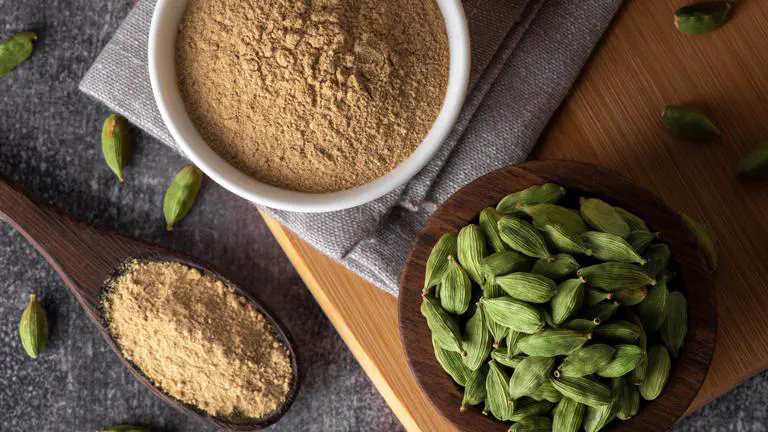
Cardamom corresponds to the capsule containing aromatic seeds; among its most relevant elements are essential oils, terpenes and other bioactive compounds. These substances are generally what are linked to the effects attributed to cardamom in health and digestion.
In Colombia, green cardamom is characterised by an intense colour and concentrated aroma when processing (harvest and drying) is carried out with reduced times between picking and drying, which helps preserve its volatile components.
Properties of cardamom: foundations for its benefits
When discussing the properties of cardamom, it is important to focus claims on what its composition provides. The essential oils and terpenes present in the seeds have been linked to effects such as:
- Antioxidant activity: the compounds present in the seeds and in the essential oil can contribute to protection against oxidative stress.
- Digestive properties: it is traditionally attributed with the ability to support digestion and relieve stomach discomfort.
- Potential anti-inflammatory and antibacterial effects: attributed to certain terpenes and bioactive compounds present in the spice.
- Contribution to respiratory wellbeing and breath freshness: traditional uses recognised in various cultures.
These associations are based on the presence of aromatic and bioactive compounds in the spice; in this article we focus on explaining how these properties translate into practical applications for consumers and the wellness sector, without promoting specific clinical claims not documented in internal sources.
Benefits of cardamom for digestion
One of the most widespread uses of cardamom is its application to support digestion. In herbal and culinary preparations, cardamom favours the perception of relief in mild digestive processes. At the chemical level, essential oils and terpenes are responsible for this traditional effect.
Practical benefits for digestion:
- Relief of the feeling of heaviness after heavy meals when consumed as an infusion or as a condiment.
- Contribution to reducing gas or flatulence in traditional uses.
- Stimulation of digestive processes by promoting a sensory experience that facilitates the intake of hot liquids and food.
Key phrases used by consumers and the wellness sector include “benefits of cardamom for digestion Colombia” and “digestive cardamom”. These expressions reflect the interest in incorporating cardamom into diets geared towards digestive wellbeing.
Benefits of cardamom for general health
When discussing the benefits of cardamom for health, it is worth distinguishing between traditional uses and claims of a clinical nature. From the perspective of composition and properties, cardamom provides:
- Compounds with antioxidant activity, which help counteract oxidative damage at the cellular level.
- Substances that may present anti-inflammatory and antibacterial effects in the context of topical applications or traditional use.
- Aromatic components that favour sensations of wellbeing and comfort, relevant in the wellness sector.
In Colombia, interest in cardamom as a functional ingredient has grown, both among consumers and companies seeking to integrate spices with a distinctive sensory profile and attributes associated with health.
Cardamom and wellbeing: uses in the wellness sector
Cardamom is versatile, and its aroma and flavour have positioned it in products linked to wellbeing: infusions, hot beverage blends, aromatic products and culinary preparations of high sensory value.
Notable applications in wellness:
- Infusions and teas: cardamom provides aroma and a sensory profile associated with relaxation and comfort after meals.
- Functional beverages: used to enrich hot and cold beverages with a characteristic aromatic contribution.
- Aromatherapy and sensory experiences: its aroma can form part of blends associated with comfort and the perception of wellbeing.
These uses retain the link to the benefits of cardamom and are of interest to consumers seeking natural ingredients with history and a background of traditional use.
Ways of consumption: how to use cardamom in the daily diet
Integrating cardamom into the daily routine is simple. The most common presentations are pods (whole), seeds (ground) and as an extract or essential oil. Below are some practical and safe suggestions:
- Simple infusion: lightly crush a pod and leave to infuse in hot water for several minutes.
- In hot beverages: add one or two seeds to coffee or tea to enrich aroma and flavour.
- In culinary recipes: incorporate it into stews, desserts and preparations where its aroma complements other ingredients.
- Chewing a pod: a traditional practice to freshen the breath and enjoy its aroma.
These options are suited to the interest of consumers and the wellness sector, who seek versatile and simple uses to take advantage of the benefits of cardamom.
Safety and contraindications
It is important to adopt a cautious approach: as with many spices, consuming cardamom in amounts typical of cooking or infusions is generally considered safe. However, in the context of wellness and health:
- Avoid excessive doses without professional supervision.
- Consult with a healthcare professional in cases of pregnancy, breastfeeding or specific medical conditions.
- Take into account potential interactions with pharmacological treatments; when in doubt, seek medical advice.
This responsible approach ensures that the use of cardamom provides feelings of wellbeing without unnecessary risks.
Colombian cardamom: production, quality and advantages
Cardamom production in Colombia has been gaining relevance due to specific characteristics that can influence the perceived quality of the final product. Among the aspects cited by producers and traders are:
- Cultivation under shade and soils rich in organic matter.
- Reduced times between harvest and drying, which favour the preservation of the green colour and volatile components.
- Intense aroma and colour as indicators of freshness and an efficient drying process.
These qualities make Colombian green cardamom attractive to markets that value product quality, aroma and colour, and support the promotion of Colombia as a producing country.
Cardamom production in Colombia and business opportunities
The topic of “cardamom production in Colombia” and “cardamom business opportunities in Latin America from Colombia” is of interest to farmers, entrepreneurs and players in the export sector. While precise information on volumes and yields is not detailed here, the qualitative advantages mentioned (shade, shorter time between harvest and drying) are factors that can improve the product’s competitiveness in international markets.
For those evaluating business opportunities, it is worth considering:
- Added value through sensory quality and post-harvest handling.
- Possibilities for channelling product towards market niches: wellness, functional foods and gourmet markets.
- Partnerships with international buyers who value traceability and freshness.
Marketing and sales and export: context for Colombia
In relation to “cardamom export from Colombia to Latin America” and other destinations, relevant factors include demand in the target market, product quality and compliance with regulatory requirements. Some practical points:
- The market and demand for cardamom in Colombia and in international markets is fuelled by the preference for high-quality spices with well-defined sensory profiles.
- For export, it is necessary to comply with the phytosanitary and customs regulations of both the exporting and importing countries.
- Developing marketing and sales channels for “cardamom suppliers in Colombia” involves positioning at trade fairs, in catalogues and building long-term relationships with buyers.
These elements are considered by companies and producers seeking to position Colombian cardamom within regional and international value chains.
Frequently asked practical questions from the sector (summary)
How to grow cardamom in Colombia?
Cultivation in Colombia is frequently carried out under shade and in soils with organic content; this helps maintain favourable conditions for plant development and the sensory quality of the pod.How to export cardamom from Colombia?
Exporting requires compliance with phytosanitary regulations, food safety requirements and customs procedures. Specialised technical advice and contact with export entities and trade associations is recommended for current procedures.Price of green cardamom in Colombia?
Price depends on quality, presentation, volume and market conditions at the time of sale. Quotations vary according to supply and demand and the presentation (whole pod, seeds or ground).Where to buy wholesale cardamom in Colombia?
There are specialised suppliers and marketing and sales channels aimed at wholesale buyers; it is suggested to verify references, traceability conditions and product quality.Regulations for exporting cardamom from Colombia?
It is essential to meet phytosanitary and food safety requirements, as well as export documentation. For specific information, the competent authorities and sector trade associations can provide the most up-to-date guidance.
Integration of cardamom into wellness products and projects
For wellness sector companies and consumers interested in natural products, cardamom offers opportunities for added value:
- Formulation of infusions and herbal blends with a distinctive aromatic profile.
- Development of functional beverages and recipes that incorporate cardamom as a sensory and functional ingredient.
- Design of sensory experiences (e.g. spice-tasting workshops) focused on appreciating the aroma and flavour of cardamom.
These proposals make it possible to capitalise on the benefits of cardamom from a wellness perspective, without seeking to substitute medical treatments.
Quality, traceability and positioning in international markets
The perceived quality of cardamom is linked to post-harvest handling practices and traceability. In the Colombian case, reducing the time between harvest and drying is cited as a factor that helps preserve aroma and colour, attributes valued by international buyers.
For suppliers wishing to position themselves in markets such as Europe, the US or the Middle East, it is advisable to:
- Maintain clear records of origin and post-harvest handling.
- Implement quality controls in line with the requirements of the target market.
- Communicate the organoleptic characteristics (colour, aroma, freshness) that differentiate the product.
Conclusion: Why consider cardamom in your diet and in wellness projects
The benefits of cardamom are grounded in its composition: essential oils, terpenes and bioactive compounds that confer antioxidant, digestive and sensory properties relevant to wellbeing. In Colombia, green cardamom with characteristics of freshness and shade cultivation offers an interesting proposition for consumers and the wellness sector.
If your interest is to integrate cardamom into your daily diet or into wellness-focused products, this ingredient offers versatility and an appealing sensory profile that complements culinary applications and beverages.
Discover more ways to use cardamom every day.
How would you like to incorporate the benefits of cardamom into your routine or into your wellness projects?
About the author
Juan Pablo Toro López is an Agroindustrial Engineer (Universidad La Gran Colombia) with more than 15 years of experience in the food production chain: production, food safety, process standardisation and export requirements. He has taught agroindustry at SENA and at universities such as Universidad Andina and Fundación Universitaria San Martín, and has worked as a digital marketing and sales consultant for companies in the sector.