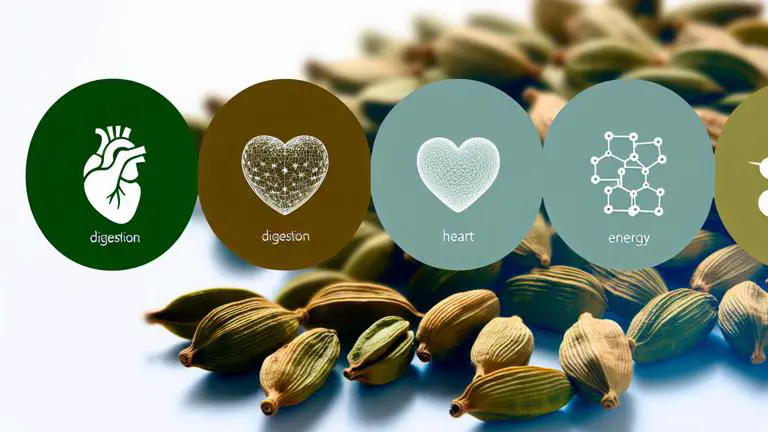
Benefits of Cardamom: 12 Proven Properties
Cardamom is one of the most highly valued spices for its aroma and organoleptic profile. In this article, aimed at consumers interested in wellness and nutrition, we examine in detail the benefits of consuming cardamom, its health-related uses, and provide context on the production, marketing and sales, and export of cardamom in Colombia.
Throughout the text you will find practical information for incorporating cardamom into your diet, as well as references to the market and value chain of cardamom in the region.
Why is cardamom consumption of interest?
Interest in cardamom consumption stems from two complementary sources: its traditional use in gastronomy and folk remedies, and scientific studies identifying bioactive compounds in its seeds and essential oils. These compounds—terpenes, volatile oils and other phytochemicals—are responsible for most of the functional properties attributed to cardamom.
Some studies on the chemical composition of cardamom have documented the presence of essential oils with antioxidant and antimicrobial activity, supporting both culinary and wellness-oriented uses.
12 Proven Properties of Cardamom (and How to Make the Most of Them)
Below are twelve properties of cardamom that have been described in the scientific literature and in traditional use, along with practical suggestions for responsible consumption.
1) Antioxidant activity
Cardamom contains compounds present in its essential oil that have shown antioxidant activity in chemical studies, suggesting that its consumption as part of a varied diet may provide protective compounds against oxidative stress.
How to use it: add ground cardamom to hot drinks or smoothies to boost antioxidants in your diet.
2) Digestive support
Traditional use of cardamom includes preparing infusions to relieve mild digestive discomfort and aid digestion after heavy meals.
How to use it: an infusion of 1–2 crushed pods in hot water can be taken after meals.
3) Antimicrobial properties of the essential oil
Studies on cardamom essential oil have shown activity against certain microorganisms in laboratory tests, supporting its use as a seasoning with potential small-scale preservative effects.
How to use it: add cardamom to yoghurt-based preparations or sauces to enhance aroma and natural antimicrobial profile.
4) Potential anti-inflammatory activity (reported)
Some compounds present in cardamom have been associated with anti-inflammatory effects in preclinical studies. Although further research in humans is needed, its inclusion in the diet is compatible with anti-inflammatory dietary patterns (e.g., moderate use of spices with functional properties).
How to use it: add cardamom to infusions and savoury dishes as part of a balanced diet.
5) Improved breath and sense of freshness
Chewing a cardamom pod is a traditional practice to freshen breath; its potent aroma and volatile profile explain this use.
How to use it: occasionally chew a pod after meals.
6) Support for respiratory function (traditional use)
Traditional medicine has described cardamom preparations to relieve mild respiratory discomfort; its aroma and volatile components make it suitable for use in aromatic infusions.
How to use it: gentle steam inhalations with cardamom infusion (with caution) or drinking a hot infusion.
7) Source of aromatic and sensory compounds
Cardamom provides terpenes and volatile oils that enrich foods and beverages, improving palatability and sensory experience, which indirectly contributes to dietary wellbeing.
How to use it: use small amounts in coffees, teas, desserts and traditional dishes.
8) Functional complement in food products
Due to its aromatic profile and antioxidant activity, cardamom is used in industry and home cooking as a functional ingredient that can improve the shelf life and sensory value of products.
How to use it: use cardamom in baked goods, jams or hot beverages.
9) Micronutrient contribution (in small amounts)
Although not a major source of vitamins or minerals, cardamom provides trace minerals and bioactive compounds that complement the diet.
How to use it: consume as a spice within a varied diet.
10) Protective effect on the lipid profile of foods (used in formulations)
In food formulations, adding spices with antioxidant compounds helps reduce lipid oxidation, improving the stability of certain products.
How to use it: as a spice in nut mixes or fat-rich products that you wish to stabilise naturally.
11) Use in culinary aromatherapy (wellbeing through aroma)
The aroma of cardamom can influence mood and flavour perception, providing a sense of comfort and wellbeing when consumed in hot beverages.
How to use it: prepare teas and hot drinks with cardamom for moments of relaxation.
12) Tradition and gastronomic culture favouring mindful consumption
Beyond its compounds, cardamom is part of culinary traditions that promote the consumption of varied foods, contributing to overall wellbeing.
How to use it: incorporate cardamom into your recipe repertoire to diversify flavours and culinary practices.
Responsible Consumption: Dosage, Safety and Recommendations
- Moderation: as with all spices, cardamom consumption should be moderate. Small amounts used as a seasoning or in infusions are generally safe for most people.
- Pregnancy and medical conditions: if you are pregnant, breastfeeding, or have specific medical conditions or take medication, consult your healthcare professional before beginning regular medicinal consumption.
- Product quality: choose good-quality cardamom (whole pods or freshly ground seeds) and, where possible, with traceable origin.
How to Incorporate Cardamom into Your Daily Life (Uses of Cardamom)
- Infusions: crush one or two pods per cup and pour hot water over them.
- Coffee and hot beverages: add a whole pod or a pinch of ground cardamom when preparing coffee.
- Cooking: use in curries, rice dishes, stews and desserts.
- Smoothies and yoghurts: a pinch of ground cardamom adds aroma and complexity.
- Chewing the pod: a traditional practice to freshen breath.
These uses of cardamom for health and gastronomic enjoyment allow you to take advantage of its aromatic and functional properties without resorting to supplements.
Cardamom and Colombia: Production, Marketing and Sales, and Export
For those who, beyond consumption, wish to understand the link with national production, it is important to provide context on cardamom production in Colombia and its value chain.
Production and productivity: studies on productive systems in the region report that cardamom seed production begins at around three years, and that, under certain agroforestry conditions, plantation renewal is recommended between 12 and 15 years. These elements are relevant for planning production and marketing and sales in Colombia.
Average yield: research under regional conditions has recorded productivity levels that allow economic estimates for producers interested in cultivation associated with agroforestry systems. One study reported an average productivity per hectare of dried cardamom of 833.60 kg under the conditions analysed, with yields dependent on soil organic matter.
Shade and agroforestry systems: cardamom can develop under shade and is compatible with agroforestry systems, facilitating its integration into land suited for productive diversification.
Markets and export: the global cardamom market shows demand concentrated in Gulf and Middle Eastern countries, among others, and export requires meeting quality and documentation requirements. Trade reports and technical guides highlight the need for promotional strategies, distribution networks and regulatory compliance to access international markets.
Prices and marketing and sales: cardamom prices vary significantly depending on origin, quality, presentation and market conditions. Marketing and sales documents show historical ranges and the importance of positioning the product with quality attributes that add value at the destination.
These conditions shape the cardamom value chain in Colombia and the region, and are useful both for consumers interested in the origin of what they consume and for those involved in its marketing and sales.
Frequently Asked Questions on Consumption and Market (Including Key Terms)
What sets Colombian cardamom apart from other origins?
Perceived quality may be associated with freshness, post-harvest handling and rapid drying; some studies and technical reports highlight the potential to produce cardamom with competitive organoleptic characteristics in Colombia.When can I expect production if I invest in cardamom cultivation in Colombia?
Seed production begins at around three years; planning production and the marketing and sales chain is key to connecting with cardamom suppliers in Colombia and potential cardamom exporters in Colombia.How do international markets influence cardamom prices?
Prices are affected by global supply, harvest changes and demand from key importers; as a result, market intelligence on cardamom in Latin America is strategic for producers and traders.
Considerations on Marketing, Sales and Export from Colombia
If you are interested in the marketing and sales chain or how to export cardamom from Colombia, consider the following key points highlighted in guides and market studies:
- Compliance with phytosanitary and quality requirements for destination markets.
- Clear definition of the sales format: parchment, dried grain, ground or extract.
- Promotional and positioning strategies that highlight origin and quality attributes.
- Development of logistical and commercial networks to connect with international buyers and cardamom suppliers in Colombia.
These points are addressed in marketing and sales guides and in studies on strengthening the production chain, which highlight both challenges and opportunities in cardamom export.
Practical Tips for Consumers Interested in Colombian Cardamom
- Look for products with traceability and, where possible, information on origin and processing practices.
- Prefer whole pods to preserve aroma: cardamom in pod form retains its essential oils better until use.
- Use cardamom as part of a varied diet: its benefits are complementary and do not replace medical treatments.
Sources and Evidence (Summary)
In this article we have integrated evidence on the composition and properties of cardamom (studies on essential oil and bioactive compounds) and technical and market references relating to production, productivity and marketing and sales in the Latin American region and Colombia. Among the documents consulted are analyses of essential oil and productivity studies supporting the general claims about antioxidant properties and production data.
Conclusion
Cardamom offers an interesting profile for consumers seeking spices with sensory and functional value. The benefits of cardamom consumption combine evidence of bioactive compounds (antioxidant and antimicrobial activities documented in studies) with widely spread traditional uses. For Colombia, production and marketing and sales represent an opportunity for productive diversification, provided that efforts in quality, traceability and market intelligence are well coordinated.
Discover how to use cardamom for your wellbeing.
Which cardamom recipe or way of consuming it would you like to try first, and why?
About the author
Juan Pablo Toro López is an Agro-industrial Engineer (Universidad La Gran Colombia) with more than 15 years of experience in the food production chain: production, safety, process standardisation and export requirements. He has taught agro-industry at SENA and at universities such as Universidad Andina and Fundación Universitaria San Martín, and has worked as a digital marketing and sales consultant for companies in the sector.