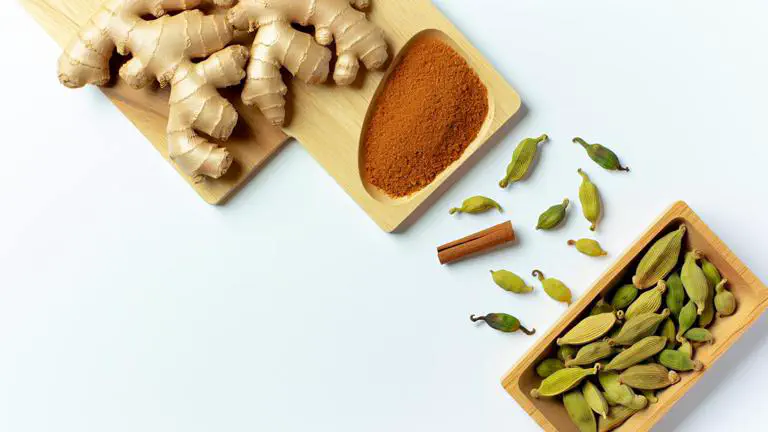
Cardamom and ginger: combined benefits and practical uses
In a context where wellbeing and digestive health are priorities for many consumers, the blend of cardamom and ginger stands out as an aromatic, functional option that is easy to incorporate into the daily diet. This article explains, from a professional and informative standpoint, what each of these ingredients contributes —with particular attention to cardamom produced or marketed from Colombia— and offers practical uses, consumption recommendations and considerations regarding its production and trade.
Table of contents
- Introduction: why combine cardamom and ginger
- What is cardamom and what sets it apart in Colombia?
- Composition and effects of cardamom on digestion
- General properties of ginger relevant to digestion
- Cardamom and ginger: synergies and combined benefits
- Practical ways to consume them (infusions, recipes and suggestions)
- Safety, dosage and precautions for consumers
- Colombian cardamom: production, marketing and sales, and markets (summary for interested consumers)
- Frequently asked questions
- Conclusion and call to action
Introduction: why combine cardamom and ginger
Interest in remedies and foods that support digestive health is on the rise. Both cardamom and ginger have traditionally been used for their effects on the digestive system: relief of discomfort, a carminative effect (reduction of gas) and an aromatic contribution that makes infusions and preparations more palatable. The combination of the two offers a complementary organoleptic profile (flavour and aroma) and can be especially appealing to consumers seeking natural solutions that are pleasant to the palate.
This guide is aimed at consumers interested in wellness and digestive health, and offers practical information without providing personalised medical recommendations.
What is cardamom and what sets it apart in Colombia?
Cardamom (Elettaria cardamomum) is a spice prized for its aroma and its seeds, which are rich in essential oils. Technical literature on cardamom in Colombia records its adoption and production potential in several regions of the country, as well as its appreciation in international markets when it meets quality criteria and organic certifications. Colombian cardamom has gained relevance for its sensory quality and for marketing and sales initiatives aimed at markets that value colour, size and product traceability.
Commercial aspects relevant to consumers and buyers (summary):
- Visual quality (intense green colour, uniform size) and aroma are variables valued by international buyers.
- Cardamom certified as organic can access markets with premium prices, provided it meets certification and traceability requirements.
- Trade figures and leading importers show sustained global demand for the spice, which influences its availability and price for consumers.
Composition and effects of cardamom on digestion
Cardamom seeds contain volatile oils (between 3.5% and 7%) and chemical compounds such as cineole, terpineol, limonene and other terpenes that explain their aroma and their traditional use in digestive disorders. Technical texts describe their traditional use as a digestive, carminative, antispasmodic and stomachic agent; an infusion of the seeds is used for dyspepsia, difficult digestion and colic caused by gas. This evidence of traditional use is documented in studies and reviews on the species.
Key points on cardamom and digestion (based on literature compiled in technical documents):
- Aromatic essential oils responsible for its action and aroma.
- Traditional use as a stomachic and carminative for dyspepsia and difficult digestion.
- Common inclusion in infusions and beverages that make consumption and the sensory experience easier.
General properties of ginger relevant to digestion
Ginger (Zingiber officinale) is known for its spicy, aromatic profile and for its multiple uses in cooking and traditional remedies. Among the properties most associated with ginger that are relevant to digestive health and wellbeing are:
- Relief of nausea and feelings of stomach discomfort.
- Stimulation of gastric motility and a sense of digestive comfort.
- A carminative effect and support for heavy digestion.
These effects have made ginger a common ingredient in infusions, teas and culinary preparations aimed at improving digestion or soothing minor discomfort.
Cardamom and ginger: synergies and combined benefits
When cardamom and ginger are combined, the result is a blend that harnesses the aromatic and functional qualities of both:
- Complementary digestive relief: cardamom contributes aromas and carminative compounds; ginger contributes its effect on nausea and motility.
- Improved sensory acceptance: cardamom’s aromatic profile softens and enriches ginger’s spicy flavour, creating pleasant infusions and beverages.
- Versatility of use: the combination can be adapted to hot beverages, teas, smoothies, marinades and baking or pastry recipes, adding functional benefit and gastronomic value.
This combination is especially interesting for those seeking natural alternatives to support digestive wellbeing as part of a balanced diet.
Practical ways to consume them (infusions, recipes and suggestions)
Below are simple, practical ways to incorporate cardamom and ginger into the daily diet. Many traditional recipes with cardamom and suggestions for its culinary use are collected in guides and booklets documenting preparations featuring cardamom in beverages and foods.
- Basic cardamom and ginger infusion
- Ingredients: 1–2 crushed cardamom pods, 2–3 thin slices of fresh ginger, 250–300 ml of water.
- Preparation: boil the water with the ginger, then remove from the heat; add the crushed cardamom seeds or pods and leave to steep for 5–8 minutes. Strain and drink warm.
- Use: a comforting drink after heavy meals or when there is a mild feeling of bloating.
- Hot teas and blends for digestive wellbeing
- Combine cardamom and ginger with cinnamon, lemon or honey according to preference (adapt to tolerance and avoid honey for infants).
- These blends can be taken 1–2 times a day to support digestion and general wellbeing.
- Incorporation into meals and desserts
- Add a pinch of ground cardamom and grated ginger to yoghurts, oats or granolas to enhance aroma and digestive effects; recipes featuring cardamom, such as granola or atoles (traditional porridges), appear in local culinary guides.
- Cold beverages and smoothies
- For cold drinks, infuse cardamom and ginger in hot water, let cool and then mix with fruit or vegetable juice for a refreshing, digestive smoothie.
- Culinary use in Colombian cuisine
- Cardamom and ginger can be incorporated into both savoury and sweet preparations of local cuisine: light marinades, sauces and aromatised desserts. Training material on cardamom includes preparations and uses in baking and traditional beverages.
Practical tip: for maximum aroma and effect, use cardamom in pod form (lightly crushed) for infusions, and grind it fresh just before using it in recipes.
Safety, dosage and precautions for consumers
- Moderation: although both ingredients are generally safe for adults when used in culinary amounts or as an occasional infusion, moderation is recommended, along with medical consultation in cases of pregnancy, breastfeeding, use of anticoagulant medication or chronic medical conditions.
- Children and infants: avoid giving concentrated infusions or home remedies without the supervision of a health professional.
- Allergies and intolerances: in the event of adverse reactions, stop consumption and consult a professional.
If there is interest in using cardamom and ginger regularly to support digestive health, they should be integrated as part of a balanced diet and not as a substitute for medical treatment when this is necessary.
Colombian cardamom: production, marketing and sales, and markets (summary for interested consumers)
For consumers who value the origin of the product and its traceability, it is useful to know some aspects of cardamom production and marketing and sales in Colombia:
- Production and associativity: technical documents show that cardamom has adapted to certain Colombian regions and that its production is being developed with a view to diversifying rural income. The plant can begin producing seeds within several years of establishment, according to observations in local studies.
- Quality and certifications: access to international markets requires meeting visual quality requirements (colour, pod size), good agricultural practices and organic certifications when aiming to access sectors that pay premium prices.
- Demand and buyer markets: there is demand in Europe, the United States, the Middle East and Asia; the structure of cardamom imports and exports shows sustained demand and opportunities for Colombian cardamom when it meets standards.
Relevant aspects regarding marketing and sales and price (general guidance):
- The price of cardamom can vary according to quality, certifications and destination market; pods with an intense green colour and larger size tend to be valued more highly in European and Asian markets.
- For consumers, choosing cardamom with traceability and, where possible, recognised certifications offers assurances regarding production practices and quality.
Note: if, as a consumer, you would like to learn about export steps or technical aspects of sustainable production, available technical documentation includes guides and market analyses; those interested in learning more can consult specialised sources and foreign trade bodies.
Frequently asked questions (practical summary)
Can I drink a cardamom and ginger infusion every day?
- Yes, in culinary amounts and as an occasional infusion it is safe for most adults; however, if prolonged daily consumption is desired or medication is being taken, consult a health professional.
Is Colombian cardamom different from cardamom from other countries?
- Colombian cardamom can stand out for its freshness, aromatic profile and traceability opportunities; acceptance in international markets depends on quality and compliance with requirements.
Where can I use this blend in cooking?
- In infusions, desserts, hot beverages and some savoury preparations; culinary guides featuring cardamom illustrate recipes such as granola or atoles that show the ingredient’s versatility.
Conclusion and final recommendations
The combination of cardamom and ginger offers an aromatic alternative with functional potential to support wellbeing and digestive health as part of healthy habits. Cardamom contributes essential oils and an organoleptic profile that complements ginger’s properties, creating pleasant and versatile infusions and culinary preparations.
For consumers in Colombia who value origin, choosing cardamom with traceability and, where possible, organic certification can improve the consumption experience and guarantee quality standards linked to production and marketing and sales.
Final invitation (CTA): Discover the full power of this combination.
Have you tried a cardamom and ginger infusion before, and what effect did you notice on your digestion or general wellbeing?
About the author
Juan Pablo Toro López is an Agro-industrial Engineer (Universidad La Gran Colombia) with more than 15 years of experience in the food production chain: production, food safety, process standardisation and export requirements. He has taught agro-industry at SENA and at universities such as Universidad Andina and Fundación Universitaria San Martín, and has worked as a digital marketing and sales consultant for companies in the sector.